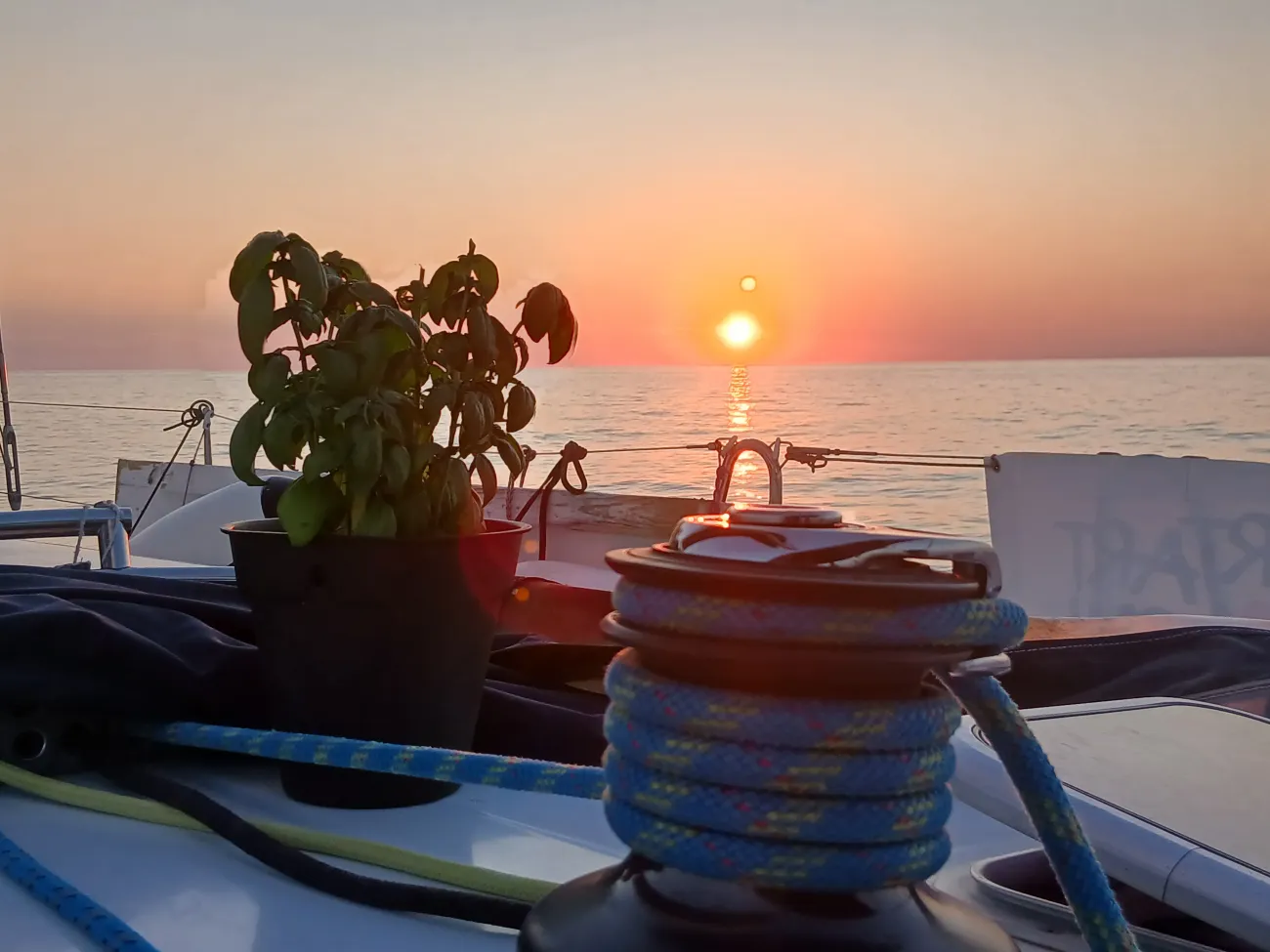
13–16 July 2026 — Cagliari, Sarroch, Capo Spartivento, Portopino, Carloforte, Sardinia
After a demanding two-day, 245-nautical-mile crossing from Salerno, the PartArt4OW SailingLab spent the following days threading its way along the southern and south-western coast of Sardinia — from the redeveloped waterfront of Cagliari to the historic tuna fishery of Carloforte. Between industrial infrastructure, restricted military waters and centuries-old fishing traditions, this stretch of the voyage exposed some of the sharpest contrasts encountered so far in the expedition.
Cagliari: a port split in two
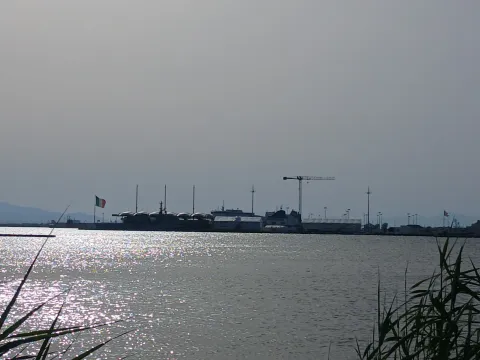
Navigating the coastal waters of southern Sardinia, the SailingLab crew documented the profound transformation underway in the Port of Cagliari. On the eastern waterfront, the former passenger terminal is giving way to a new marina complex designed for luxury hotels, wellness facilities, restaurants and superyacht berths — part of a broader European trend that sees traditional maritime infrastructure converted into high-end tourism and leisure developments.
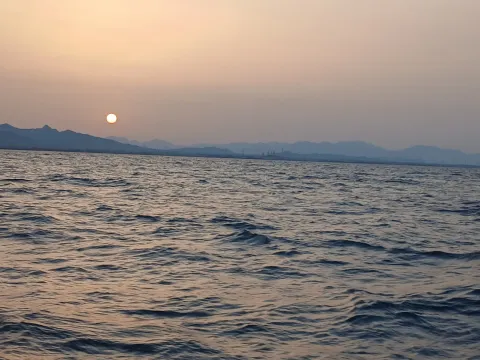
On the opposite, western side of the port, the picture could not be more different. The Porto Canale commercial container terminal has remained unfinished for decades despite substantial public investment, delayed by legal disputes and labour conflicts. Rows of heavily corroded, abandoned container cranes now stand as a visible legacy of the project's stalled ambitions, while persistent sediment accumulation continues to demand ongoing dredging to keep the port navigable — a reminder of the long-term environmental cost of maintaining heavily engineered coastlines.
Sarroch: the refinery on the Mediterranean's doorstep
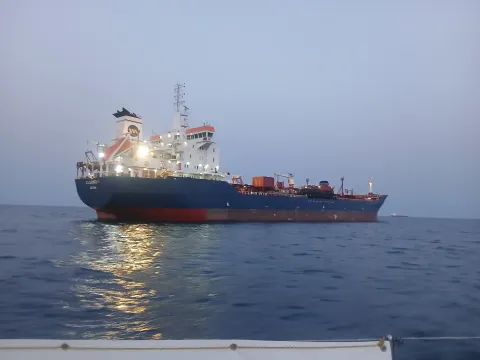
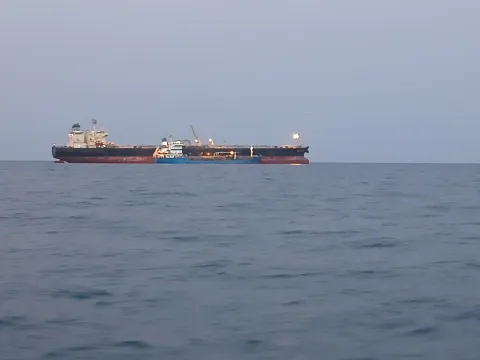
Continuing westward some 25 kilometres past Cagliari, the SailingLab reached Sarroch, home to one of the largest petrochemical and oil refining complexes in the Mediterranean. Pipelines, storage tanks, distillation columns and flares dominate the landscape, and the refinery — still fully operational — remains a cornerstone of the region's energy infrastructure. It has also, however, been the subject of environmental investigations and judicial proceedings over alleged pollution, making it a striking case study in the trade-offs between strategic energy infrastructure and the long-term health of Mediterranean coastal ecosystems.
After a night at anchor off Capo Spartivento, the crew continued on toward Capo Teulada.
Portopino and the Capo Teulada military zone
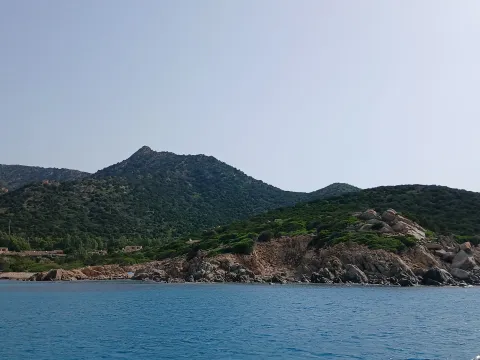
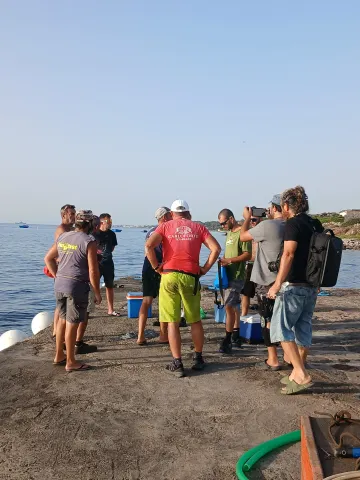
The next leg brought the SailingLab past a sparsely inhabited and rarely visited stretch of coast, subject to land and sea access restrictions due to the presence of the Capo Teulada military firing range. The crew anchored overnight at Portopino before continuing toward Carloforte, navigating one of the more isolated segments of the entire Mediterranean itinerary.
Carloforte: the last tonnara of the Mediterranean
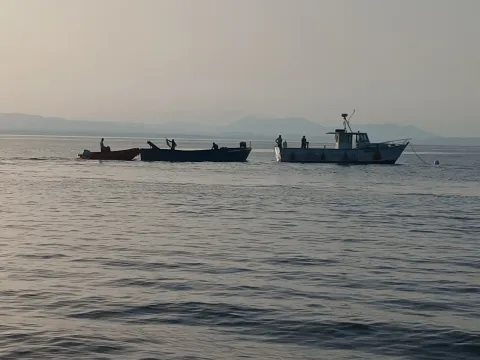
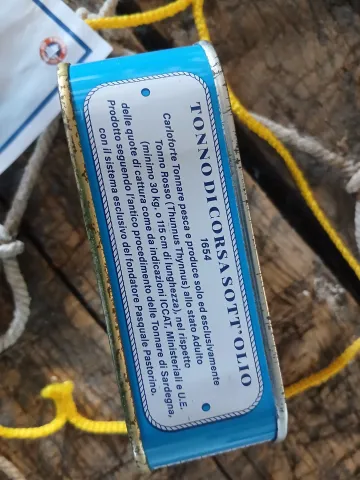
In Carloforte, the SailingLab crew was guided by local expert Natalia Lapicca (A Spasso per l'Isola) to document the Tonnara PIAM — the last active tuna fishery in the Mediterranean still operating within its original 1859 facilities. Here, the tonnarotti, traditional tuna fishers, continue to pass their centuries-old techniques on to younger generations while working within the European Union's strict bluefin tuna quota system.
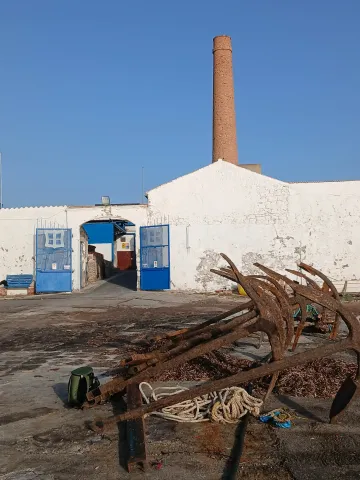
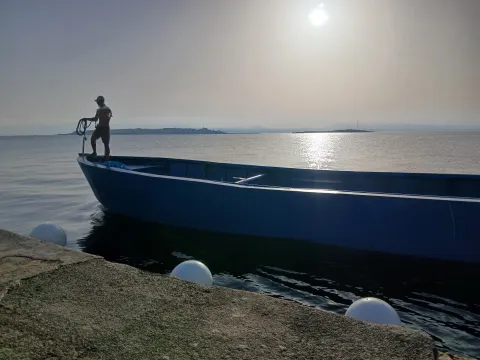
Bluefin tuna is among the world's most commercially valuable fish species, and its management has long symbolised the international community's effort to reconcile economic interest with the conservation of a rare and vulnerable resource. Part of the Carloforte catch is processed directly at the historic plant, while additional quotas are sourced from elsewhere in Europe — a reflection of both the tightly regulated nature of bluefin tuna fisheries and the exceptional value of the tuna caught in these waters. Fishers, scientists, policymakers and conservation bodies today work side by side to keep stocks within sustainable limits.
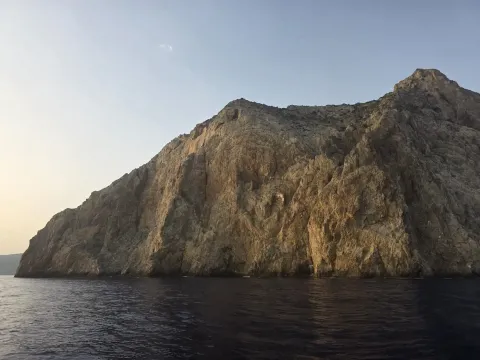
Taken together, the Cagliari-to-Carloforte leg captured, once again, the recurring tension at the heart of the SailingLab's Mediterranean research journey: coastlines being reshaped by tourism-driven redevelopment and heavy industry on one hand, and communities and ecosystems holding onto centuries-old, more sustainable relationships with the sea on the other.
About PartArt4OW
PartArt4OW (Participatory Art For Society Engagement with Ocean and Water) is a Horizon Europe research and innovation project connecting artists, scientists and coastal communities around the Mediterranean to foster ocean literacy through participatory art. The SailingLab, a 12-metre ocean-going vessel, is crossing the Mediterranean from Anzio (Italy) to Badalona (Spain) between June and July 2026, documenting Participatory Art Initiatives, conducting citizen science, and gathering research on ocean-society relationships along the way. The expedition will conclude with the second PartArt4OW Demo Day in Badalona on 27–28 July 2026.
PartArt4OW is funded by the European Union's Horizon Europe research and innovation programme under grant agreement number 101157247. Views and opinions expressed are, however, those of the author(s) only and do not necessarily reflect those of the European Union. Neither the European Union nor the granting authority, CINEA (European Climate, Infrastructure and Environment Executive Agency), can be held responsible for them.