CLAM-EU
From ecological collapse to collective renewal: A participatory art-science demonstrator for a resilient blue economy in Europe's lagoons
Leading Organisation
Duration
6 months, Phase 3 Accelerator
Location
Sète, Thau Lagoon (Occitanie, Southern France)
_______________________________________________
Project Overview
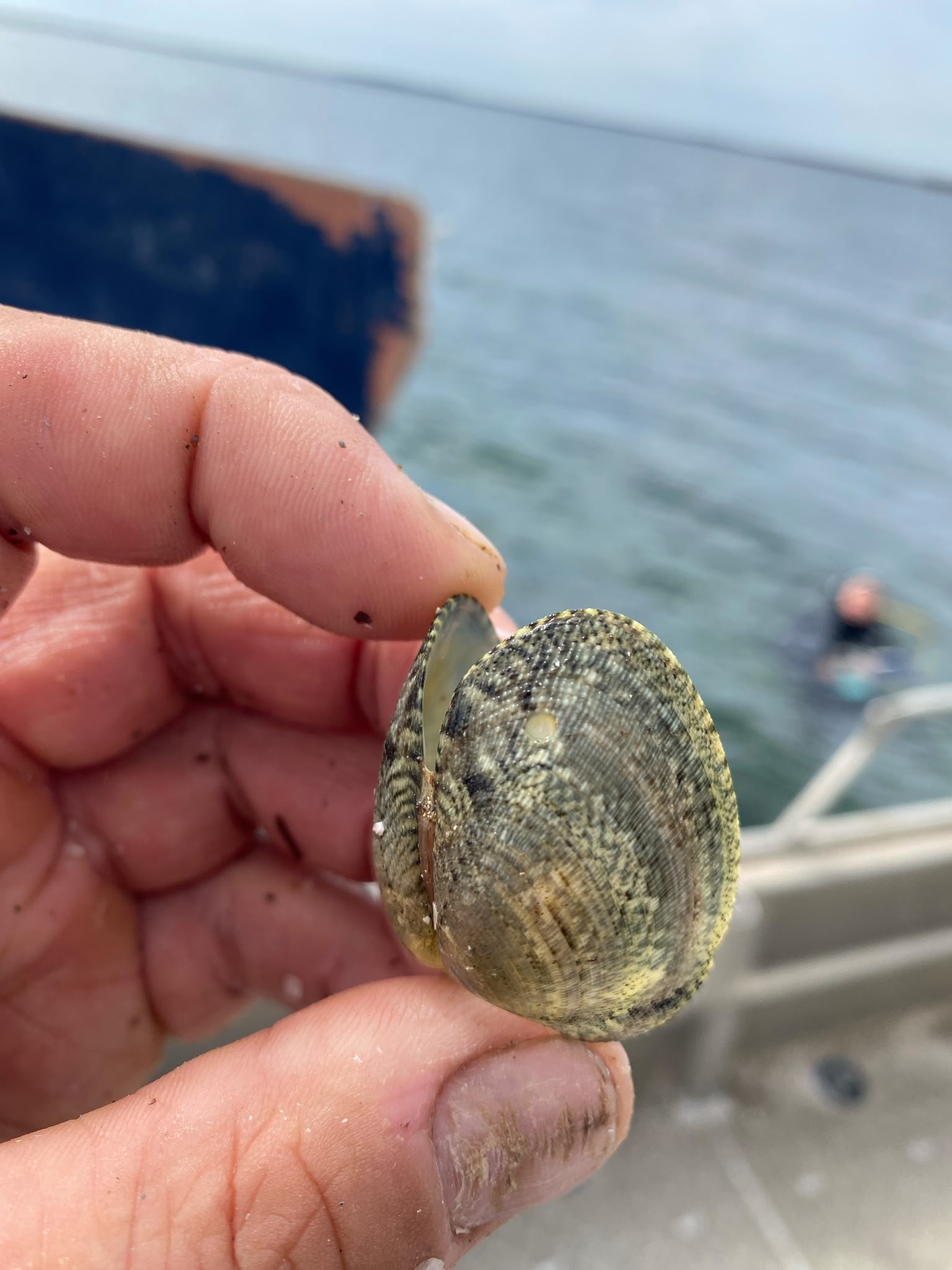
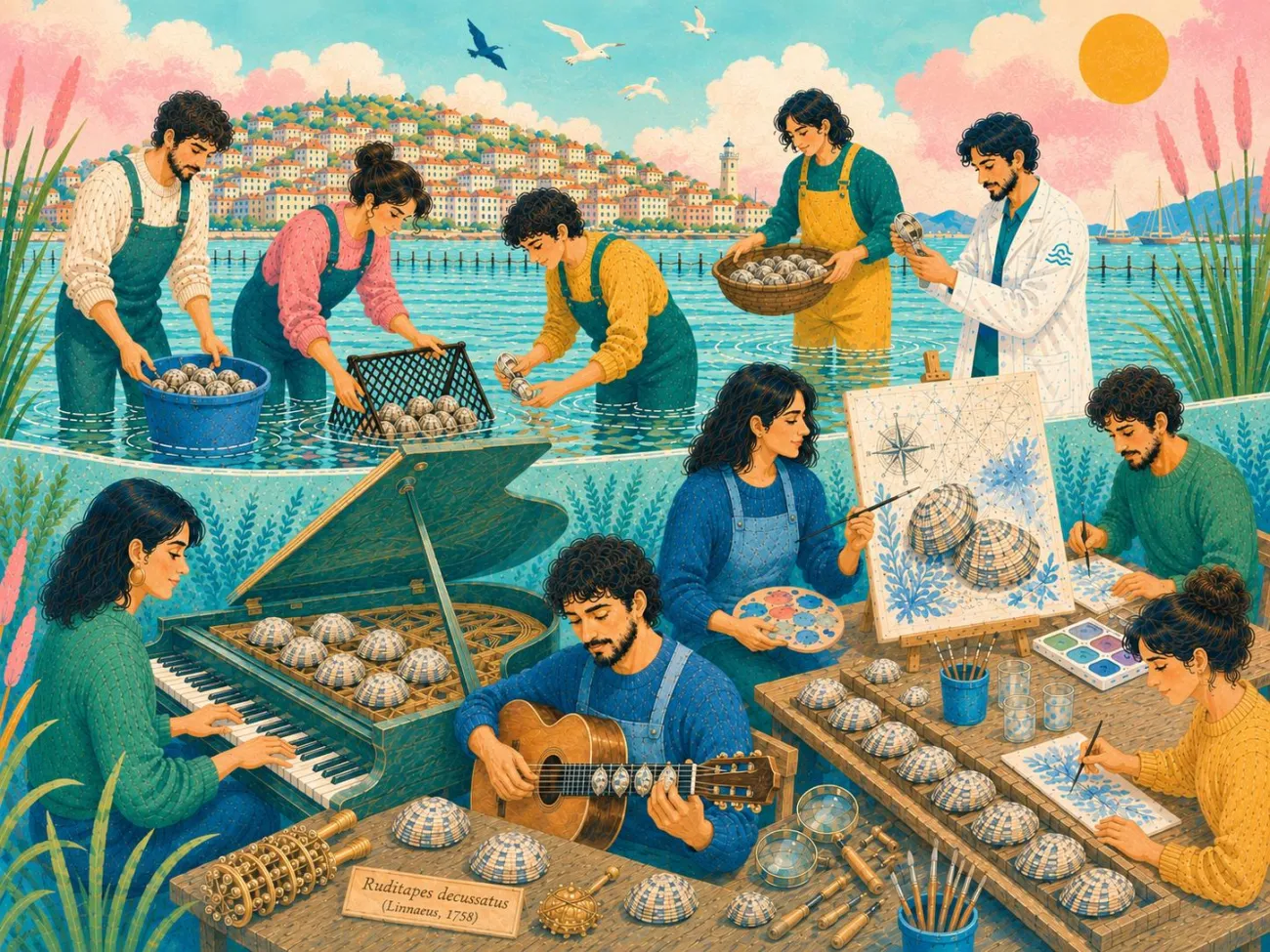
The Thau Lagoon is experiencing a severe decline in clam populations, historically a key resource for local small-scale fisheries. This ecological change threatens clam populations, fishermen's livelihoods, and the cultural identity of coastal communities. CLAM-EU addresses this challenge through an art-science-community process that translates ecological and socio-economic signals from the clam fishery into shared participatory sensory experiences combining music and pictorial art.
The project develops and pilots a transferable art-science methodology that supports collective understanding and dialogue on resilient and climate-adaptive blue economy transitions. By engaging fishermen, lagoon stakeholders, students, citizens and local institutions in participatory workshops and a final public event, CLAM-EU amplifies local voices and co-creates new narratives supporting more sustainable and resilient blue economy futures.
Scientific Foundation
CLAM-EU builds on multidisciplinary research investigating the dramatic decline of clam populations in the Thau Lagoon, once considered "grey gold" for Mediterranean fisheries. Similar collapses have been reported in 13 of 17 coastal and lagoon systems across seven EU member states, highlighting broader vulnerability of lagoon ecosystems.
The project explores a central research question: Can the use of "Careshell", a substrate made from powdered oyster shells packed in nylon nets, successfully tested in Japan, improve the abundance, growth, and recruitment of the European clam under Mediterranean lagoon conditions, and serve as a potential restoration tool? A participatory field experiment will be conducted with fishers, students, and local stakeholders at the Sète Maritime High School. Scientists coordinate the experimental design and monitoring while ensuring data validation and traceability between ecological indicators and the artistic outputs, generating both ecological insights and methodological perspectives on science-society dialogue.
Art-Science Innovation
CLAM-EU innovatively combines scientific knowledge, artistic creation, fishers, students, citizen and stakeholders participation by translating ecological signals, their knowledge from the Thau Lagoon and emotions into shared sensory experiences.
Concert pianist Stéphanie Elbaz leads the musical participatory workshops, guiding participants as they transform shells into handcrafted percussion instruments. Playing them opens two doors at once: a first step into musical exploration and an entry into the world of the clam. Music is also created with the whole body: hands, feet, mouth, voice, breath and movement all become instruments. The workshops culminate in a collective performance combining whole-body percussion, movement, handmade instruments and a prepared piano, whose strings are altered with clam shells to produce resonant, percussive sounds inspired by the lagoon’s changing ecosystem..
In parallel, painter Françoise Dagorn leads participatory painting workshops in which participants express their perceptions of lagoon change and memories through colours, textures and materials. Inspired by her own artistic process of deconstruction and recomposition, participants work with fragments of maps, scientific references, and pictorial elements to translate the transformations of the lagoon into a collective artwork. Through this creative process, science, territory, and artistic sensitivity come together to foster dialogue, connection, and collective engagement towards lagoon restoration.
Community Engagement
Citizens are involved throughout the project cycle as co-creators. CLAM-EU specifically engages groups underrepresented in science and art, particularly small-scale fishers (whose numbers declined from ~800 in the early 2000s to ~100 today) and youth from low-income fishing families attending the Lycée de la Mer.
Clam fishers participate as knowledge holders, contributing ecological observations and expertise while assisting in the Careshell experiment. High school students act as youth co-creators, participating in scientific experiment activities and artistic workshops. Citizens are involved as local participants and connect the project to everyday perceptions of the lagoon. Local stakeholders from the Syndicat Mixte du Bassin de Thau contribute institutional perspectives on lagoon sustainability. All participation is maintained through hands-on activities, scheduling adapted to participants' needs, and recognition of contributions during the final public event.
Ocean Literacy & Impact
Through workshops combining scientific explanations, artistic experimentation, and discussion, participants explore key concepts such as population dynamics, recruitment variability, and ecosystem resilience. By translating ecological indicators into musical and pictural forms, CLAM-EU makes complex environmental processes perceptible and accessible to non-specialists, connecting scientific knowledge with participants' lived experience of the lagoon.
- Short term (6 months): Participatory workshops, the ecological experiment, and artistic co-creation will increase awareness of lagoon dynamics among fishers, students, citizens and stakeholders. The final conference–exhibition–concert will share results and stimulate discussion on sustainable fisheries.
- Medium term (1 year): The project will strengthen collaboration between scientists, fishers, educators, and local institutions. The art-science methodology and educational materials may be reused in educational and cultural initiatives related to ocean literacy.
- Long term (5 years): CLAM-EU aims to inspire similar participatory art-science approaches in other lagoon and coastal regions. By translating scientific knowledge into shared cultural experiences, the project supports more inclusive dialogue on coastal resilience while strengthening recognition of fishers' ecological knowledge and youth engagement.
Expected Outcomes
- Scientific: Results from the participatory experiment testing Careshell effectiveness as a potential restoration tool for improving clam abundance, growth, and recruitment under Mediterranean lagoon conditions, contributing to clam population management strategies.
- Artistic: participatory musical compositions, including the prepared piano, inspired by ecological and participants’ knowledge, participatory painting series, and an integrated final artwork symbolising ecological resilience and civic engagement.
- Educational: Art-science workshops and a final public conference–exhibition–concert, audio-visual documentation, and open science resources (protocol, facilitation guide, indicator summaries) deposited on Zenodo.
- Community: Strengthened dialogue between science, art, and coastal communities around lagoon sustainability and blue economy futures, with special emphasis on amplifying the voices of underrepresented groups.
Key Team & Partners
Core Team:
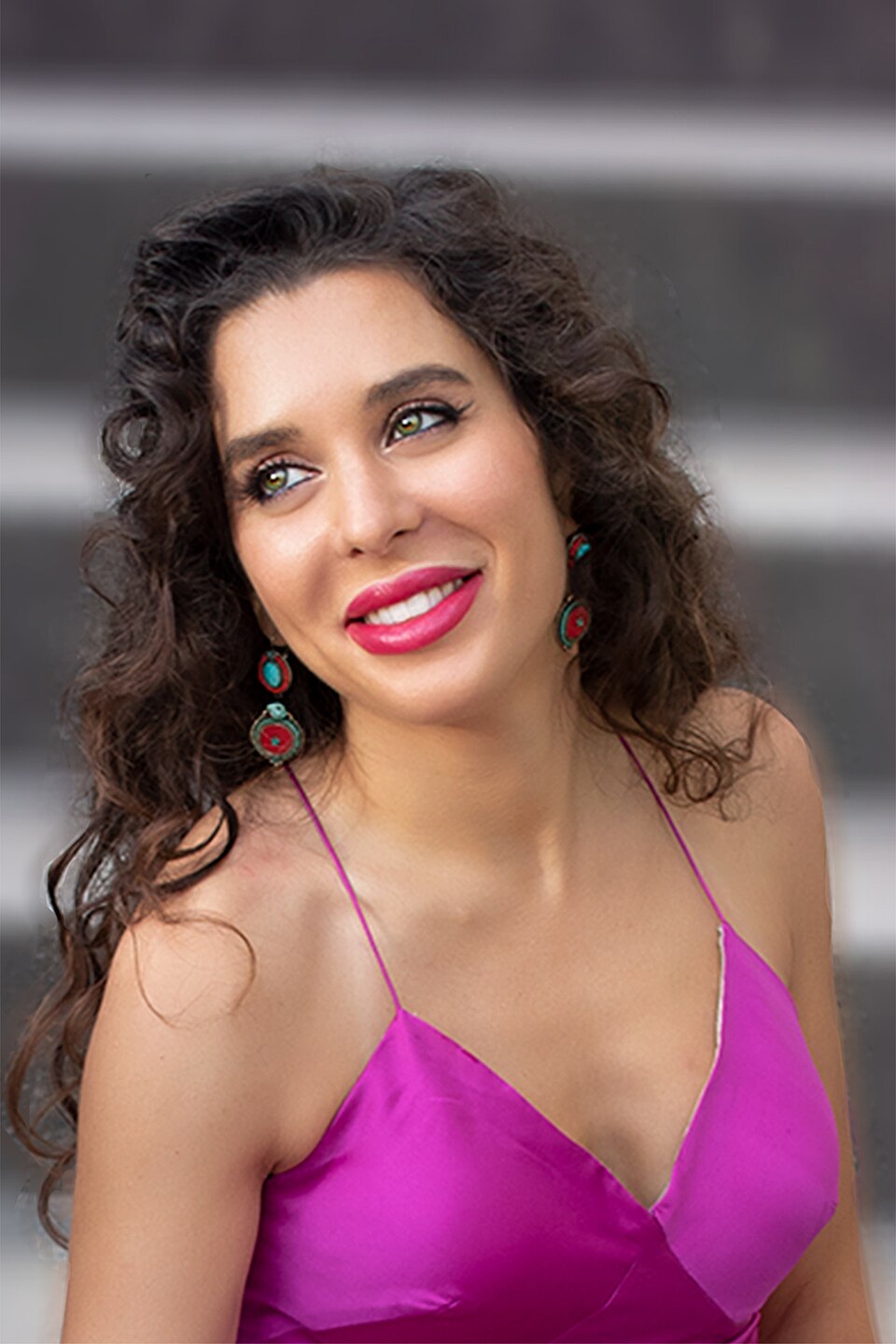
Stéphanie Elbaz – Stéphanie Elbaz is a concert pianist and state-certified piano teacher. Over many years, she has devoted herself to refining a rich and diverse palette of timbres, shaped by a broad academic journey both geographically and pedagogically.
From an early age, she trained in six conservatoires in France, while also pursuing advanced studies for several years in leading higher-education institutions in Belgium, the Netherlands and Austria. This path was rewarded by qualifications, including bachelor’s and master’s degrees, advanced piano diplomas, two gold medals in piano, and three post-specialisation diplomas, all awarded with the highest distinctions.
Stéphanie Elbaz’s career took on a new dimension following a public performance in Prague of Alkan’s Concerto for Solo Piano. Lasting fifty minutes, the work represents a huge technical and physical challenge. Her ability to combine such virtuosity with poetry, depth and romantic breadth made this performance cited by Classic FM and CMuse among the most difficult piano works ever written.
Beyond the concert stage, she develops artistic initiatives that connect music with science, ecology and the living world. Her art-science projects include CETACEANS HARMONY, a scientific conference-concert exploring the relationship between music and marine life awareness, as well as at-sea performances dedicated to cetaceans conservation.
She is also involved in environmentally focused collaborations with Gérard Bertrand, whose estates are committed to biodiversity and biodynamic viticulture, and who was named Master Winemaker of 2023 by The Drinks Business and winner of the Best Rosé award in 2024.
Through these initiatives, Stéphanie Elbaz places music at the heart of a wider dialogue between artistic creation, nature and ecological consciousness, using performance as a means to raise awareness, bring together scientists, artists and local communities, and inspire a more sensitive and committed relationship with the preservation of biodiversity and fragile ecosystems.
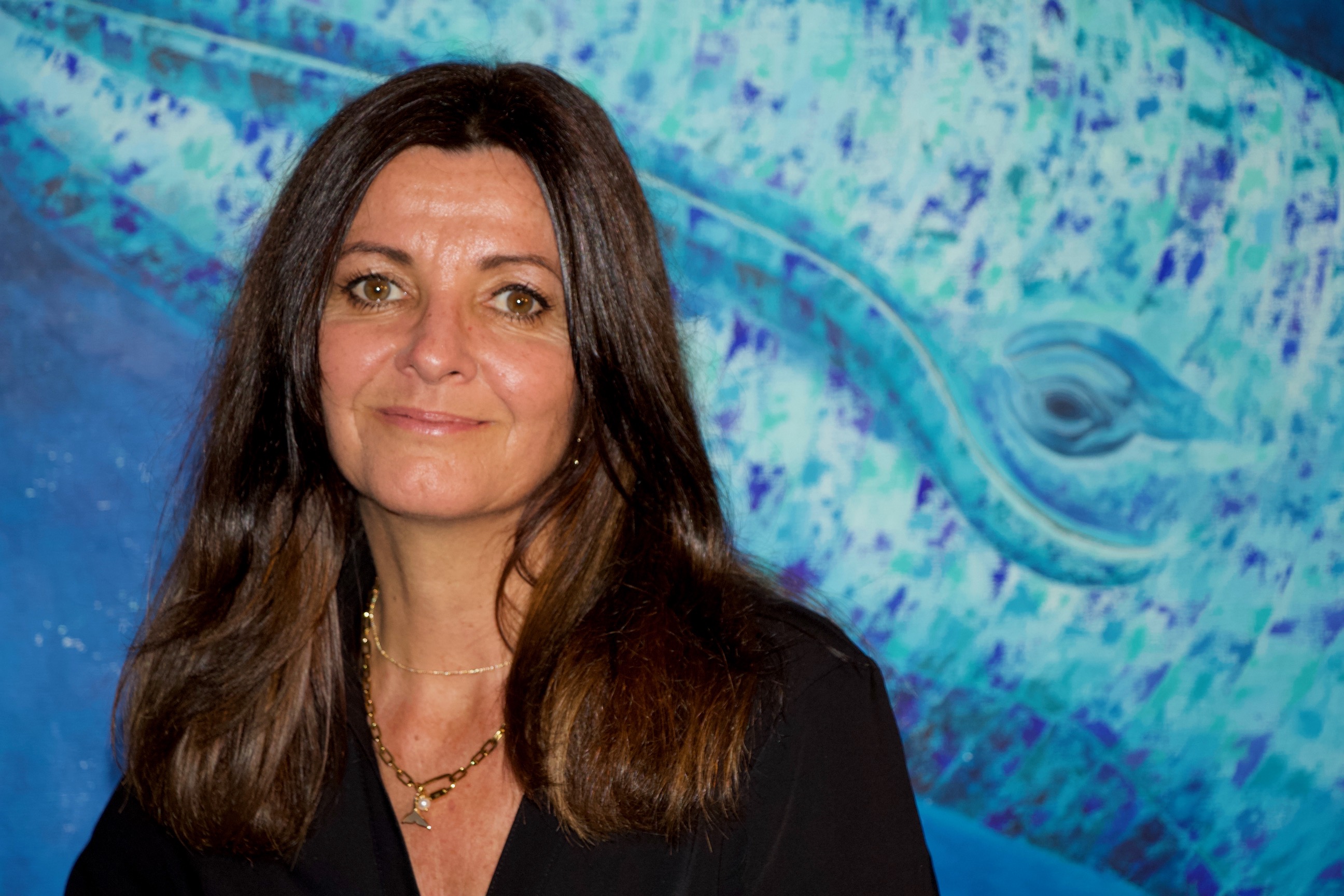
Françoise Dagon – Françoise Dagorn is a French painter whose work explores the oceans in all their beauty, richness, and fragility. Through her artworks, she reveals the diversity of marine life and questions our relationship with these essential spaces.
The years she spent living by the ocean, from Tahiti to the Seychelles, through Hawaii and California, have shaped her artistic vision and continue to inspire a sensitive approach to marine landscapes and the living world.
Through a universe dominated by shades of blue, Françoise develops a creative process based on layering, deconstruction, and reconstruction. She incorporates fragments of nautical charts, materials, and excerpts from scientific publications into her artworks, transforming them into traces of the connections between territories, knowledge, and imagination.
Depending on the series, her work reveals the beauty of the oceans and their biodiversity, or highlights their vulnerability in the face of current changes.
Through painting, she seeks to create a sensitive experience that invites viewers to develop a renewed perspective on the oceans, the living beings they shelter, and our relationship with them.
Her work has been presented in several leading events bringing together art and science around the oceans and marine biodiversity: at the Grimaldi Forum in Monaco, where her exhibition dedicated to Mediterranean cetaceans was visited by His Serene Highness Prince Albert II of Monaco; at the Maison de l’Océan in Paris, through a project focusing on giant clams from Polynesia; and at the Carrousel du Louvre in Paris, as part of a project dedicated to coral reefs. She also participated in the 10th anniversary celebration of the MARBEC research unit in Montpellier, where her exhibition dedicated to marine biodiversity was presented at the Orangerie of the Jardin des Plantes.
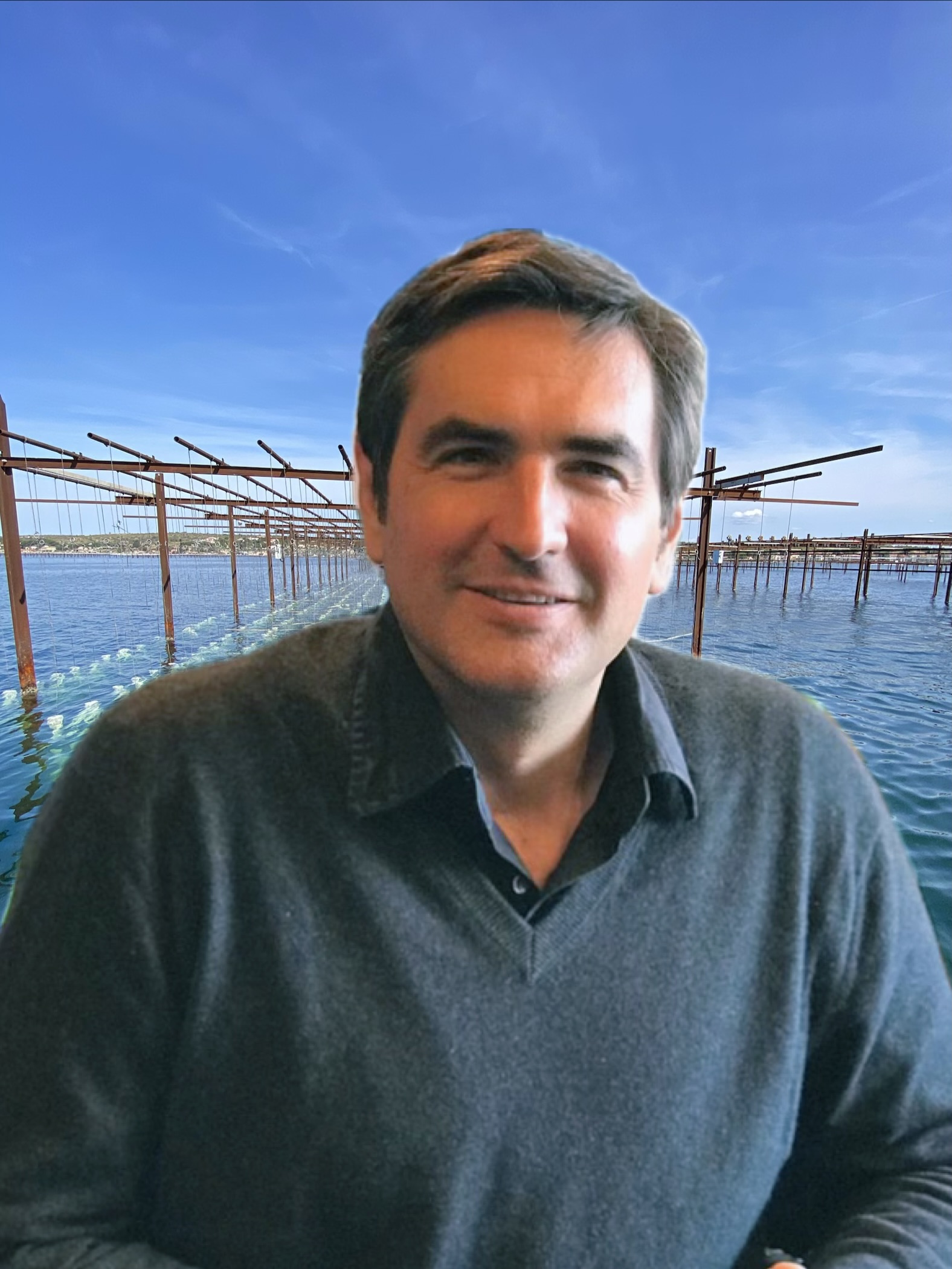 Dr. Franck Lagarde – Franck Lagarde is a researcher, doctor in marine science, at Ifremer, within the MARBEC Joint Research Unit in Sète, France, where he conducts research into marine ecology, bivalve biology and aquaculture sciences.
His career has been closely linked to the maritime sector and shellfish farming, a field in which he has been involved since the start of his career at Ifremer in 1996. His work focuses primarily on the functioning of lagoon ecosystems, the population dynamics of bivalves, the interactions between the environment and shellfish farming, and the effects of climate change on exploited marine resources.
He is particularly interested in the growth, reproduction and recruitment of oysters, clams, phytoplankton and the ecological mechanisms that determine the resilience of coastal ecosystems. At national level, Franck Lagarde coordinates the ECOSCOPA observation network, which has been monitoring the life cycle of the Pacific oyster along the entire French coastline for over thirty years.
He has also led or participated in several research projects focusing on shellfish farming crises, oyster mortality events, Picochlorum blooms in the Thau lagoon, and the restoration of clam and flat oyster populations. As the author of numerous international scientific publications, he has developed an approach combining field observations, experiments and ecological modelling to improve our understanding of coastal ecosystems and to support the adaptation of shellfish farming to environmental change.
He is also involved in university teaching and in disseminating scientific knowledge to maritime professionals, local authorities, the media and the general public. Through his scientific work, he contributes to the development of sustainable aquaculture and the preservation of marine biodiversity along the French coastline, particularly in the Mediterranean.
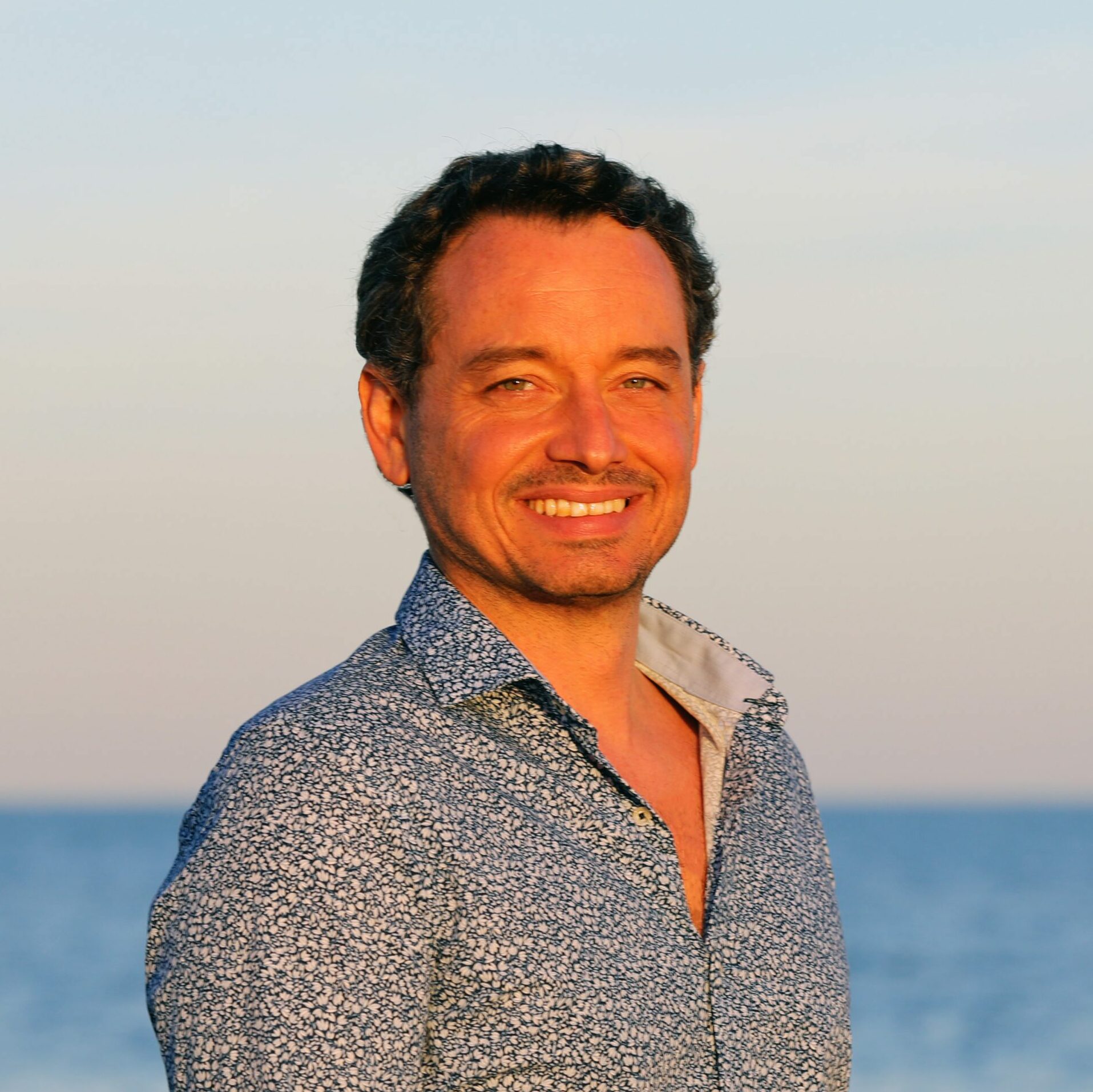 Dr. Bastien Mérigot – Bastien Mérigot is an associate professor at the University of Montpellier and at the Marine Biodiversity, Exploitation and Conservation (MARBEC) laboratory.
His work focuses on the effects of global change on marine biodiversity, with particular attention to the combined impacts of climate change and direct human pressures, especially fishing, on species communities and marine ecosystems (e.g. FISHGLOB, SEASCAPE, ACTNOW projects).
His research is based on quantitative approaches, including field experiments, statistical modelling and ecological data analysis, to better understand biodiversity dynamics, community shifts, and ecosystem responses to environmental and anthropogenic pressures (NETDIV, B-USEFUL, DEEP HEART).
His work further connects ecological research with technological innovation, marine biodiversity preservation, and public policy (DOLPHINFREE). He also develops participatory and citizen-based projects (DEEP-AI), art-science initiatives (CETACEANS HARMONY), working with local stakeholders to integrate scientific knowledge, field observations, and local ecological expertise.
These projects are designed not only to advance scientific understanding, but also to translate research findings into practical tools, shared knowledge and concrete actions for marine conservation. This dialogue between researchers, decision-makers, professionals of the sea, artists and citizens helps strengthen collective awareness and support more adaptive, locally grounded responses to biodiversity loss and ecosystem change.
By combining advanced analytical tools, participatory science and applied ecological knowledge, he aims to contribute to the development of evidence-based strategies for the sustainable management and conservation of marine biodiversity and ecosystems.
Clément Calmette & Stéphane Petit – Teachers, Lycée de la Mer. Support youth engagement and educational integration.
Key Institutional Partners:
- IFREMER (French Research Institute for Exploitation of the Sea) – Provides scientific leadership and coordinates the scientific experiment.
- University of Montpellier – Scientific research partner providing data analysis support.
- Lycée de la Mer (Sète Maritime High School) – Facilitates student participation and provides supervised educational activities.
- Universitary Pole Michèle Weil – Hosts the final public conference–exhibition–concert event.
- Syndicat Mixte du Bassin de Thau – Coordinates local stakeholder participation and ensures integration with lagoon governance (active external partner).
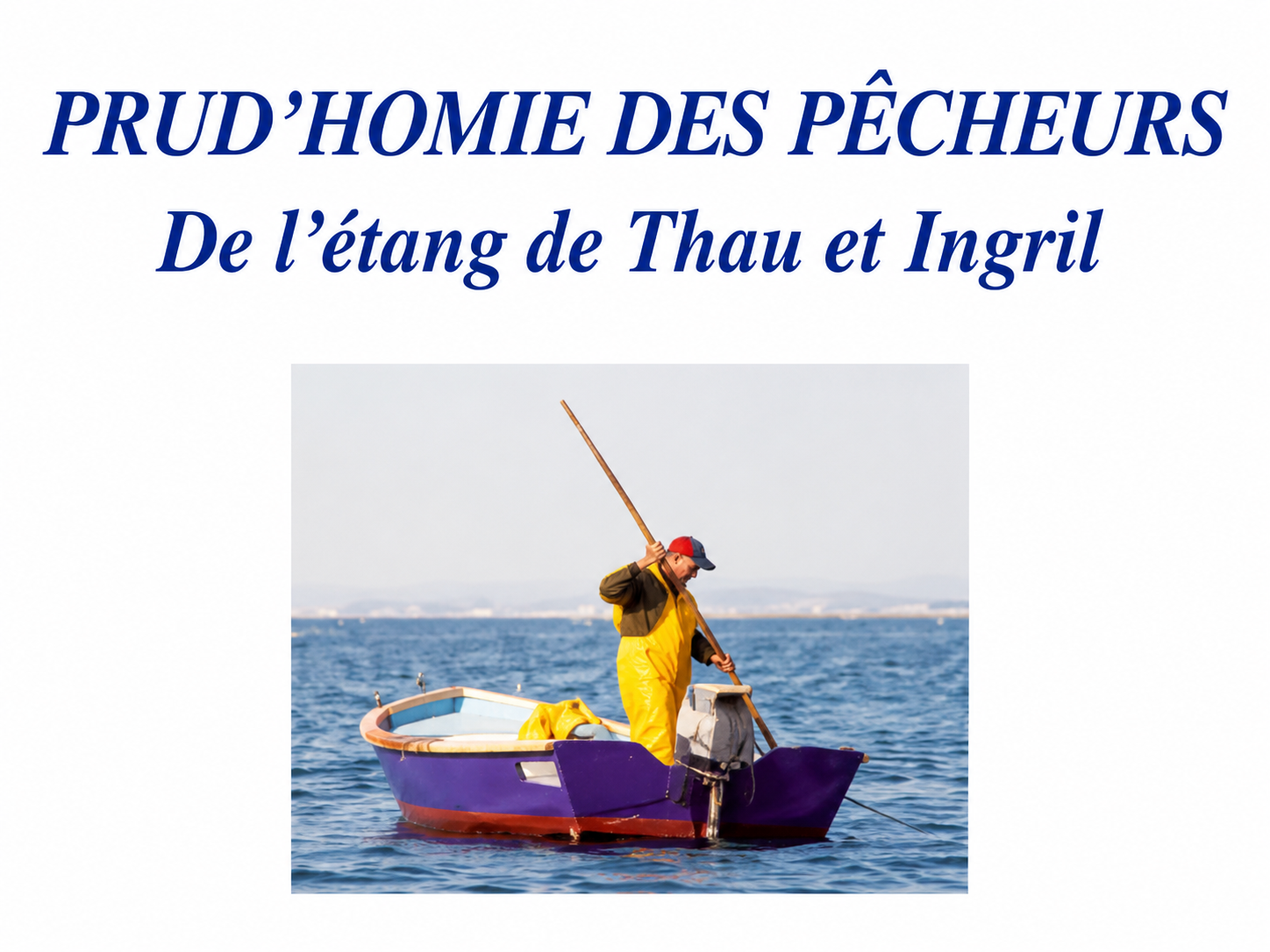
- Prud'homie – Traditional fisher organisation representing small-scale clam fishers; facilitates fisher participation (active external partner).
Sustainability & Continuation
CLAM-EU is designed to generate outcomes that continue beyond the six-month project. The art-science methodology, educational materials, and documentation will remain openly accessible and reusable by partners, schools, and local institutions. The collaboration established between scientists, fishers, artists, and the Syndicat Mixte du Bassin de Thau is expected to support future activities, including educational workshops, public events, and new art-science initiatives.
The project minimises its environmental footprint by organising activities at Sète, limiting travel and emissions, using existing facilities, and relying on low-impact materials. The ecological experiment is conducted on a small scale under scientific supervision to avoid ecosystem disturbance. All outputs will be shared on Zenodo under open science principles, supporting replication and adaptation in other European lagoon and coastal regions.
Resources & Further Information
Partner Websites:
- Françoise Dagorn : https://www.francoise-dagorn.com/en/
- Stéphanie Elbaz : https://stephanie-elbaz.com/
- IFREMER: https://www.ifremer.fr/
- University of Montpellier: https://www.umontpellier.fr/
- MARBEC : https://umr-marbec.fr/en/
- Lycée de la Mer: https://www.lyceelamersete.fr/
- Syndicat Mixte du Bassin de Thau: https://www.smbt-thau.fr/
- Universitary Pole Michèle Weil : https://pole.universitaire.agglopole.fr/