Leading Organisation
Duration
6 months, starting the 1st of February 2026
Location
Ventotene, Italy
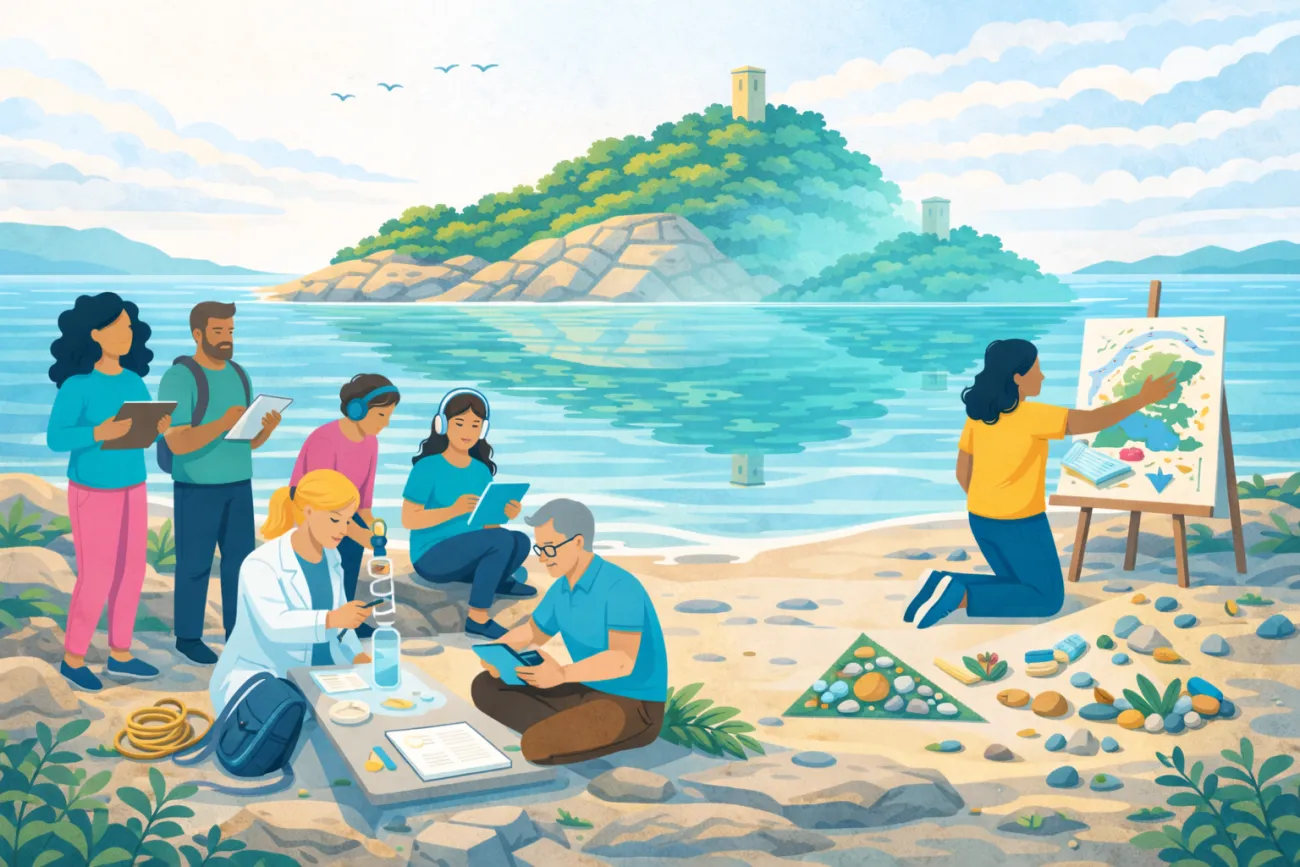
Located on the island of Ventotene in the Tyrrhenian Sea, Isola Alter Ego explores how marine plastic pollution shapes everyday life on small Mediterranean islands. At the intersection of land and sea, the project responds to the growing presence of marine litter by treating waste not only as an environmental issue, but also as a material and narrative through which island communities can reflect on identity, resilience and collective futures.
Led by Illuseum (Berlin) in close collaboration with the local community association Lavica, the project brings together residents, artists, architects and marine scientists to co-create new forms of knowledge and expression. Rather than imposing predefined solutions, Isola Alter Ego unfolds as a shared inquiry rooted in local knowledge, memories and practices.
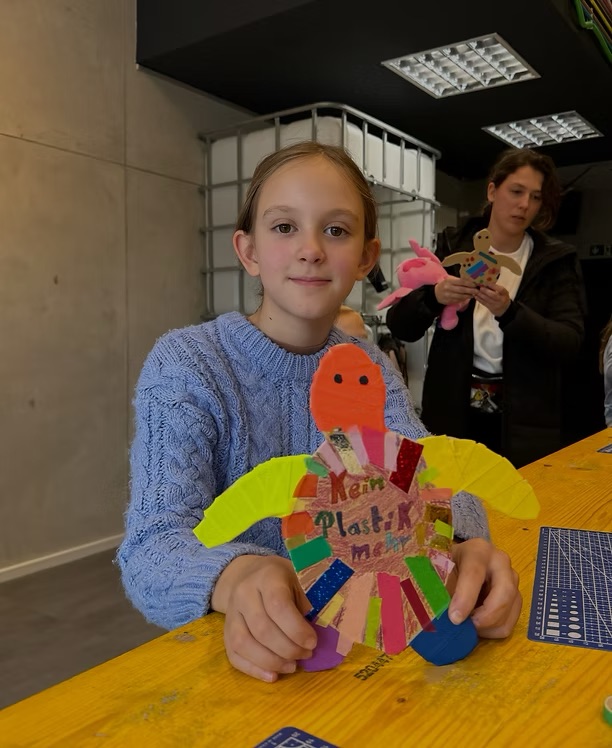
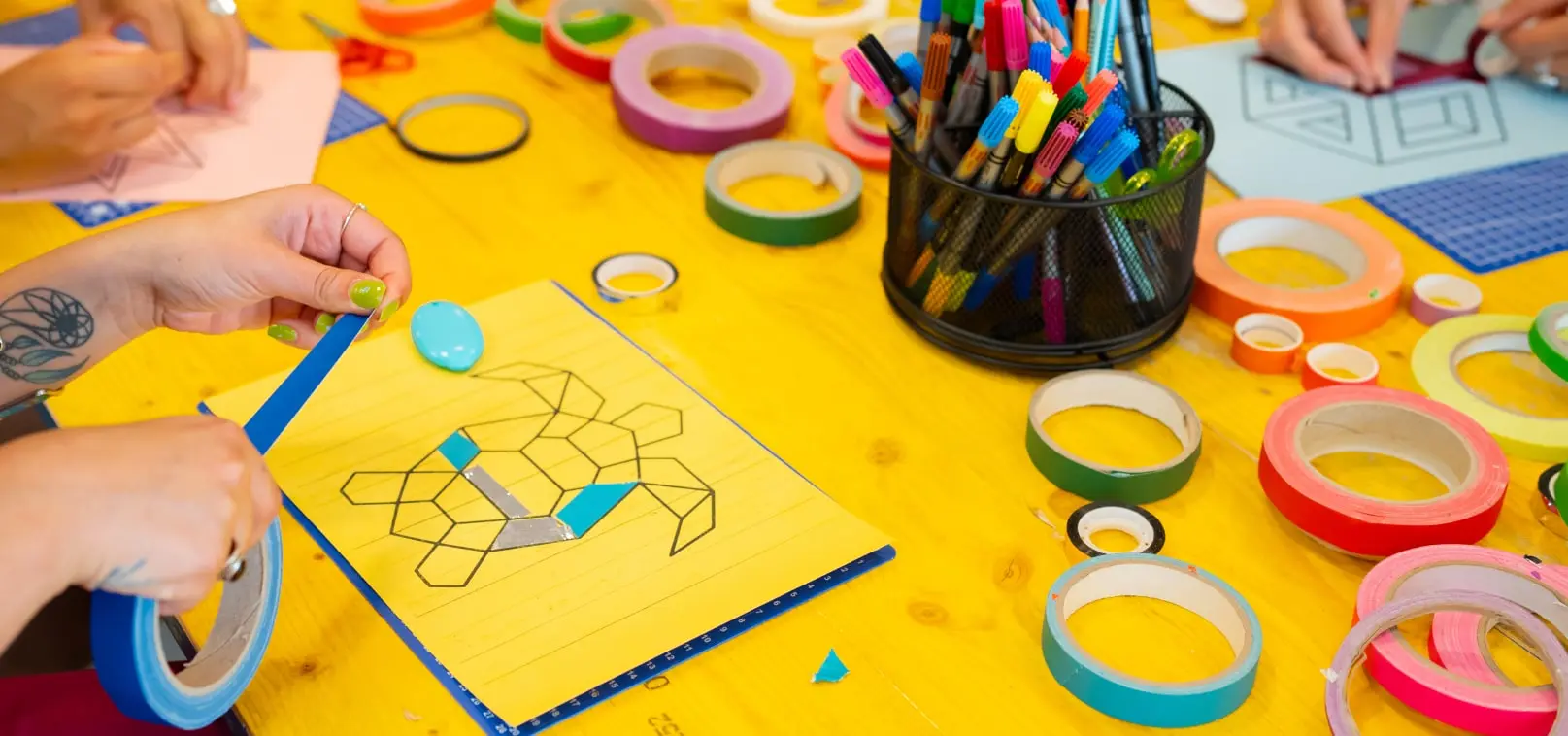
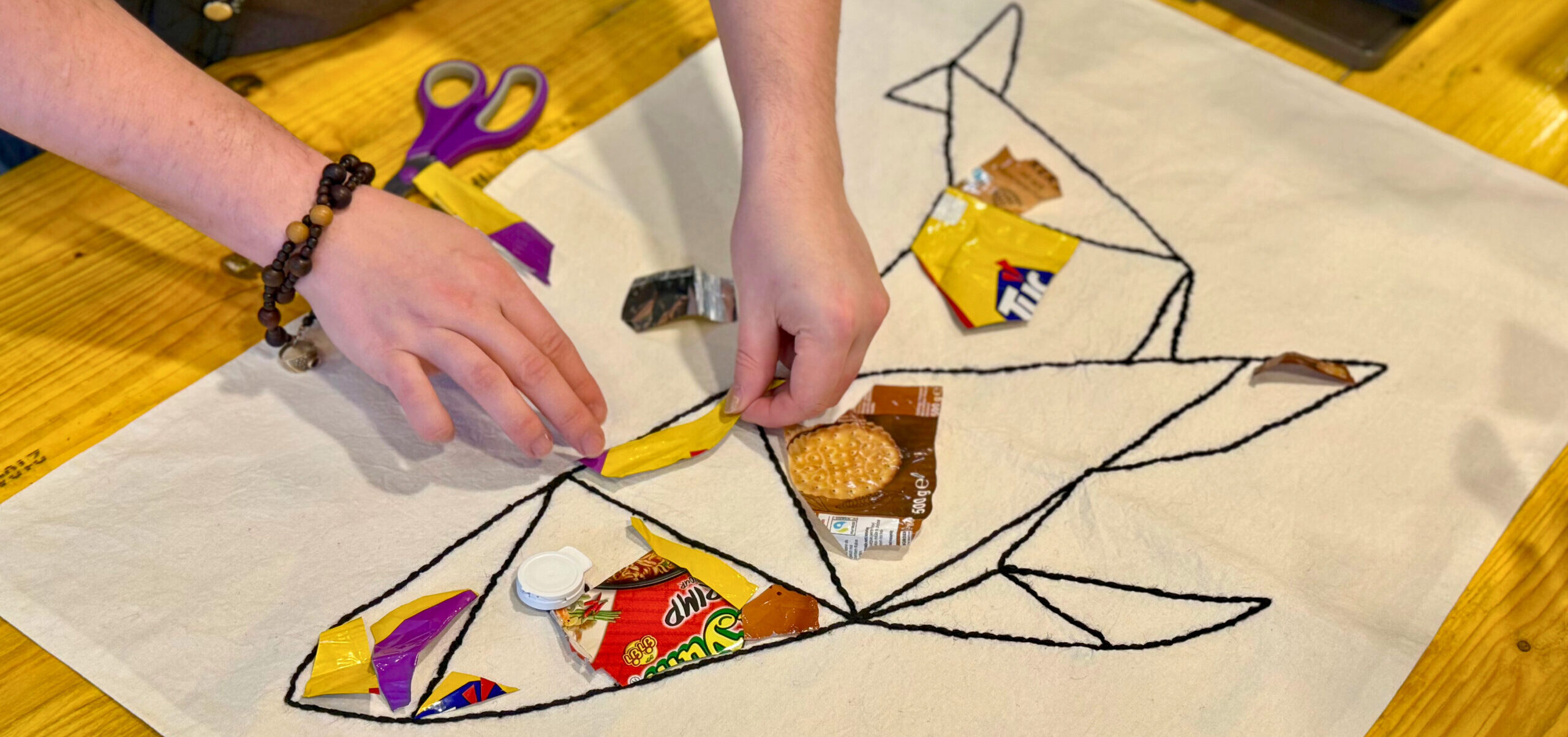
The initiative combines participatory monitoring of marine plastic with circular design and architecture. Plastics collected from the coastline are analysed through citizen science and transformed into modular architectural structures that serve as temporary spaces for gathering, dialogue and decision-making. In parallel, storytelling workshops collect drawings, maps and oral histories, shaping a collective “alter ego” of the island that reflects both vulnerability and care.
Activities are anchored around Ventotene’s harbour, which also hosts the PartArt4OW Sailing Lab, turning the port into a space of encounter between local life and transnational exchange. All methods, designs and data are shared openly, extending the project beyond the island through exhibitions and digital platforms.
Expected Outcomes
By the end of the project, Isola Alter Ego is expected to achieve the following outcomes:
- Increased awareness and understanding of marine plastic pollution among Ventotene’s residents through hands-on citizen science and participatory monitoring.
- Strengthened ocean literacy grounded in direct engagement with local coastlines, materials and data.
- Co-created modular architectural structures made from recovered marine plastics, functioning as public spaces for gathering, dialogue and collective decision-making.
- A shared body of qualitative knowledge, including drawings, maps and oral histories, capturing local memories, perceptions and experiences related to marine pollution.
- Enhanced community cohesion through collective making, storytelling and public events in the harbour area.
- Openly accessible datasets, designs and documentation shared through digital platforms and exhibitions.
Expected Impacts
Short-term impacts
- Greater visibility of marine plastic pollution as a lived, everyday issue affecting island life.
- Empowerment of local residents to engage actively in monitoring, interpreting and responding to environmental challenges.
- Activation of Ventotene’s harbour as a civic space for dialogue between residents, visiting artists, scientists and the broader PartArt4OW network.
Medium- to long-term impacts
- Replication of the project’s circular architectural designs and participatory methodologies in other island and coastal contexts.
- Use of the project’s educational resources and digital toolkit by communities, cultural organisations and educators addressing marine pollution.
- Contribution to more resilient, community-led and circular approaches to marine waste management in Mediterranean islands.
- Positioning Ventotene as a reference point for inclusive, creative and participatory responses to marine plastic pollution.
Main Investigators and Key Leads
Michael Posch (Illuseum) – Project Director
Eleonora Bruni (Illuseum) – Curator
Carmen Biondo (Lavica) – Community Lead
Jan Körbes (Refunc.nl) – Artistic Lead
Matteo Baini (University of Siena) – Scientific Lead