Plate of Memories
Shifting market demand toward overlooked fish species through science, tradition, cuisine, and art
Leading Organisation
PiNA (transdisciplinary arts and science organization)
Duration
6 months, Phase 3 Accelerator
Location
Izola, Slovenia, in the North Adriatic Sea.
_______________________________________________
Project Overview
The northern Adriatic faces a critical ecological crisis: market demands focused on a few profitable species, such as sea bass, drive selective overfishing and catastrophic biodiversity loss. Meanwhile, traditional ecological knowledge accumulated over centuries of sustainable fishing practice is disappearing as elderly fishermen retire and their knowledge goes untransmitted. Plate of Memories addresses this twin crisis by reimagining overlooked fish species as valuable resources that can sustain both thriving marine ecosystems and viable livelihoods.
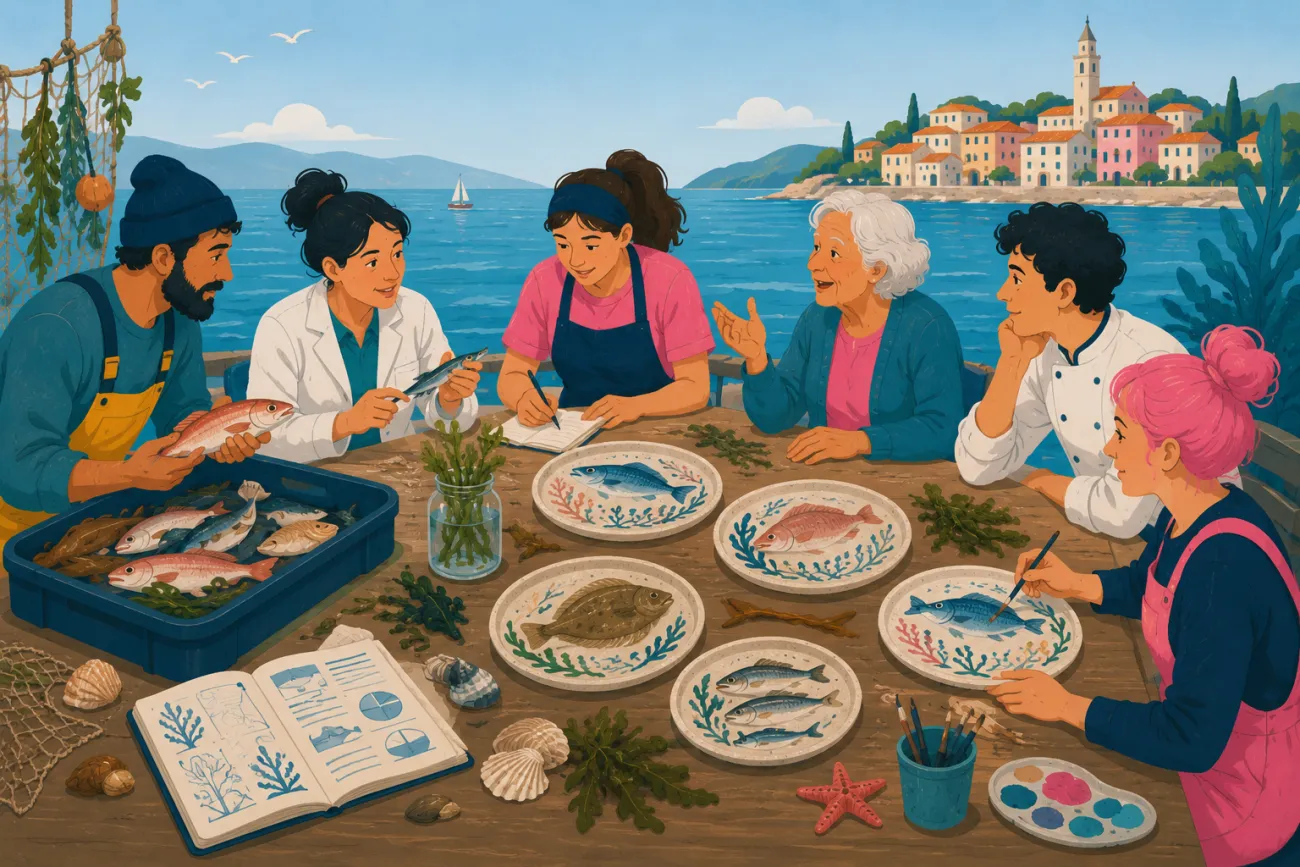
The project links scientific data on marine biodiversity with culinary innovation, artistic expression, and intergenerational knowledge transfer. Through participatory field expeditions, seniors inventory what the sea actually yields versus what markets demand. Culinary students learn to transform undervalued species and secondary fish parts into high-end, zero-waste cuisine. Artists co-design with citizens biomaterial serving plates that communicate the biological and cultural stories of overlooked fish. The culminating performative dinner weaves these elements into a powerful experience, one that shifts perceptions and inspires guests to commit to sustainable harvesting through the Blue Badge Manifesto.
Scientific Foundation & Research
The project is built on a transdisciplinary approach combining marine biology, socio-ecology, circular economy principles, and citizen science to address the critical situation of northern Adriatic fish stocks. Research data from the National Institute of Biology's Marine Biology Station Piran (MBP) provides the scientific foundation. Scientists work alongside fishermen and participants to inventory what the sea actually yields, comparing this reality with market demands.
The research question asks: How can culinary innovation and blue awareness shift consumer demand to reduce selective over-harvesting and increase the economic viability of underutilized species? The project develops a scientific census of species proportions as a baseline for local marine management. This data then serves as the foundation for oral histories shared by elderly participants, the innovative zero-waste culinary menu, and the artistic design of the marine biomaterial serving plates. By connecting abstract ecological data with sensory, cultural, and gustatory experiences, the project advances the state of the art in how science can be integrated with community knowledge and creative practice.
Methodology: Bridging Tradition & Innovation
Plate of Memories brings together different forms of knowledge and practice. Sixteen elderly residents, Guardians of Heritage, participate in two field expeditions on fishing boats, observing fishermen harvesting the daily catch while scientists help identify species. These elders then draw on their lifetime knowledge to share oral histories of sustainable fishing practices rooted in Izola's fishing tradition since the 7th century.
Culinary students work under the mentorship of a renowned chef to develop a 4-course "Balanced Catch" menu that transforms overlooked species and secondary fish parts into high-end, zero-waste cuisine. Through hands-on cooking workshops, students learn both technical culinary skills and the ecological principles behind sustainable sourcing. Artists at HEKA Art&Science Lab co-design biomaterial serving plates crafted from marine biomaterials, featuring artistic engravings that communicate the biological and cultural stories of non-commercial fish. Theatre director Marko Čeh coordinates dramatic storytelling, helping elders and artists craft compelling narratives for the performative dinner. The final event merges all these elements: cuisine prepared by students using old sustainable practices and new innovative techniques, delivered on artistically designed plates, accompanied by live storytelling from elders, in a celebration of marine biodiversity and community commitment.
Community Engagement & Intergenerational Knowledge
The project engages approximately 50 direct participants: 16 elderly residents providing oral histories and traditional knowledge; 15 culinary students learning innovative approaches to overlooked species; 15 residents at HEKA Art&Science Lab co-designing biomaterial plates; plus the general public engaging through the performative dinner and Blue Badge Manifesto.
By partnering with the Izola Elderly Center, the project directly involves residents from a demographic where 14.3% live below the poverty line. Through open calls at HEKA Art&Science Lab, the project provides low-barrier entry for Izola's diverse community, including the 30% of residents with migrant backgrounds. Culinary students are empowered as Blue Awareness Ambassadors, bridging the gap between manual labor and scientific research. The project is led by a strong female-led management team, ensuring gender balance and diverse representation throughout all activities.
Ocean Literacy & Market Transformation
Plate of Memories promotes ocean literacy by translating abstract ecological crises into visceral, everyday practices. Complex biodiversity data becomes accessible through tradition, gastronomy, and art. Eating overlooked fish from artistically designed biomaterial plates serves as an immersive classroom, helping citizens physically experience marine circularity. Ocean literacy requires moving from awareness to action, the project does this by linking specific market choices to marine harm and highlighting individual impact.
- Short-term (6 months): Seniors transfer their knowledge and learn about participatory artistic practice. Students create their own menu using the knowledge of their elders and zero-waste principles. A performative dinner reaches 25 public guests who sign the Blue Badge Manifesto.
- Medium-term (1 year): The Gastronomy High School Izola adopts zero-waste protocols. The Blue Awareness handbook is released for regional replication via Interreg proposals. Systemic integration begins.
- Long-term (5+ years): The Blue Badge becomes a recognized local certification for sustainable harvesting, scaling to regional hubs like Trieste and Pula. The model becomes a standard for marine engagement across the Adriatic.
Expected Outputs
- Scientific: A scientific census of northern Adriatic species proportions validated by the Marine Biology Station Piran. Participatory field observations documenting what the sea yields versus market demands.
- Cultural & Culinary: A 4-course Balanced Catch menu with professional gastronomic recipes developed by students for transforming overlooked species and secondary fish parts into high-end, zero-waste cuisine. Co-designed biomaterial serving plates crafted from marine materials featuring artistic engravings and storytelling.
- Educational & Social: The Blue Awareness handbook, an open-source educational resource including transdisciplinary protocols for fisherman-student-scientist-artist collaboration, scientific census, seniors' stories, and a visual identification guide for secondary catch. The Blue Badge Manifesto, signed commitments by guests to adopt balanced harvesting and a physical prototype certification for future sustainability standards.
Key Team & Partners
Project Leadership:
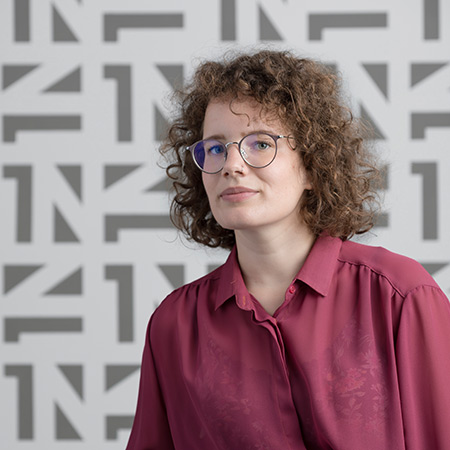 Ana Markežič (PiNA) - Ana is an expert in EU project management, specializing in sustainable initiatives, citizen science, and community-focused programs. With a strong background in coordinating transdisciplinary projects and sustainable material reuse at PiNA, she oversees the overall management and partnerships for Plate of Memories. Her expertise ensures the project seamlessly bridges ecological sustainability with active community collaboration.
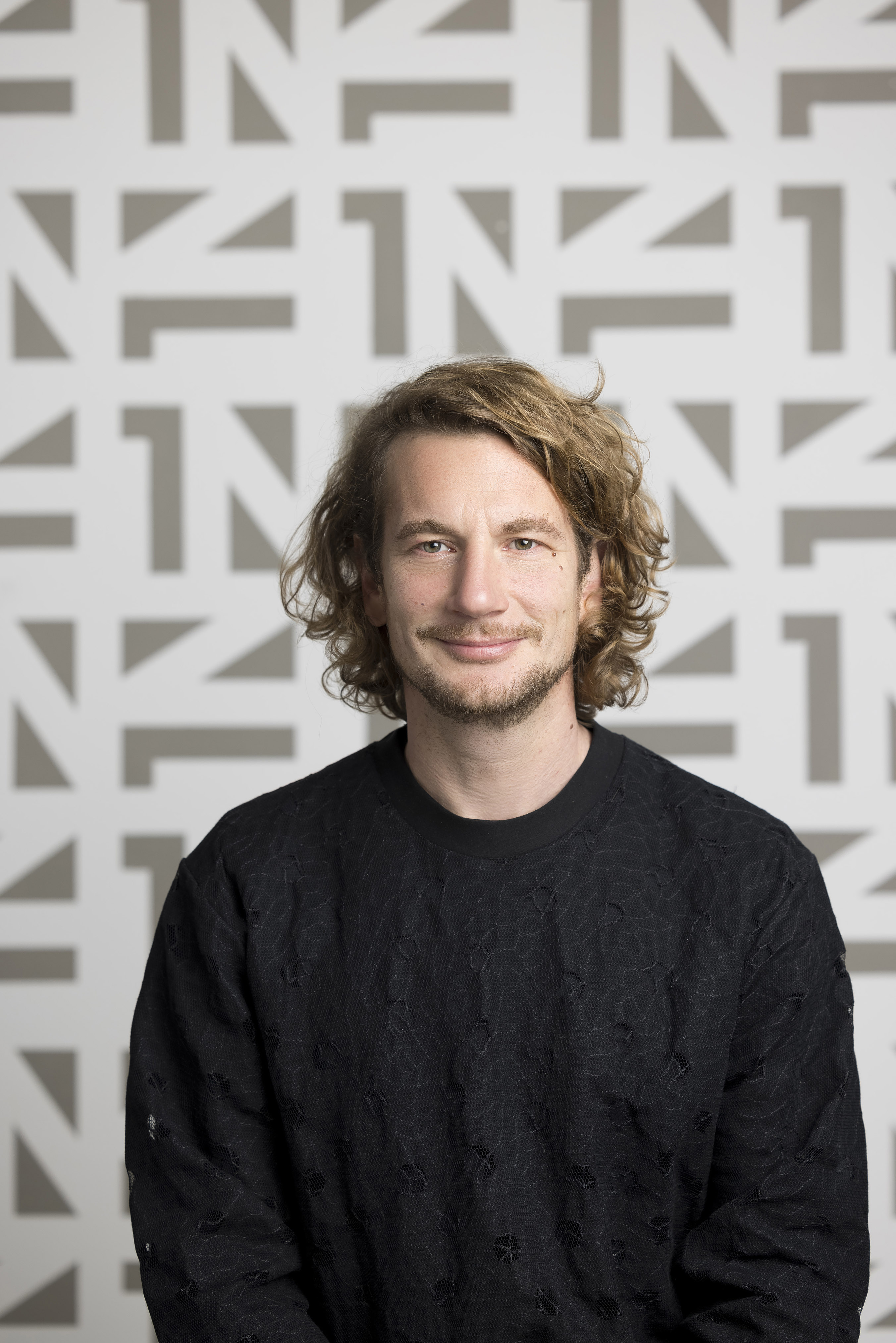 Marko Vivoda (PiNA) - Marko leads the HEKA Art & Science Lab at PiNA, specializing in biomaterial development and sustainable artistic practices. For Plate of Memories, he coordinates the artistic and design aspects, utilizing his extensive research in transforming marine materials into functional design objects. His work bridges ecological research with creative expression, supported by his experience as an academic mentor in visual arts and design.
 Katja Mijajlović (PiNA) - Katja specializes in graphic design, materials design, and project coordination. With extensive experience facilitating interactive workshops, she oversees the visual identity of Plate of Memories. Her background in material design and facilitation ensures that the project’s message is communicated clearly and engagingly to all generations.
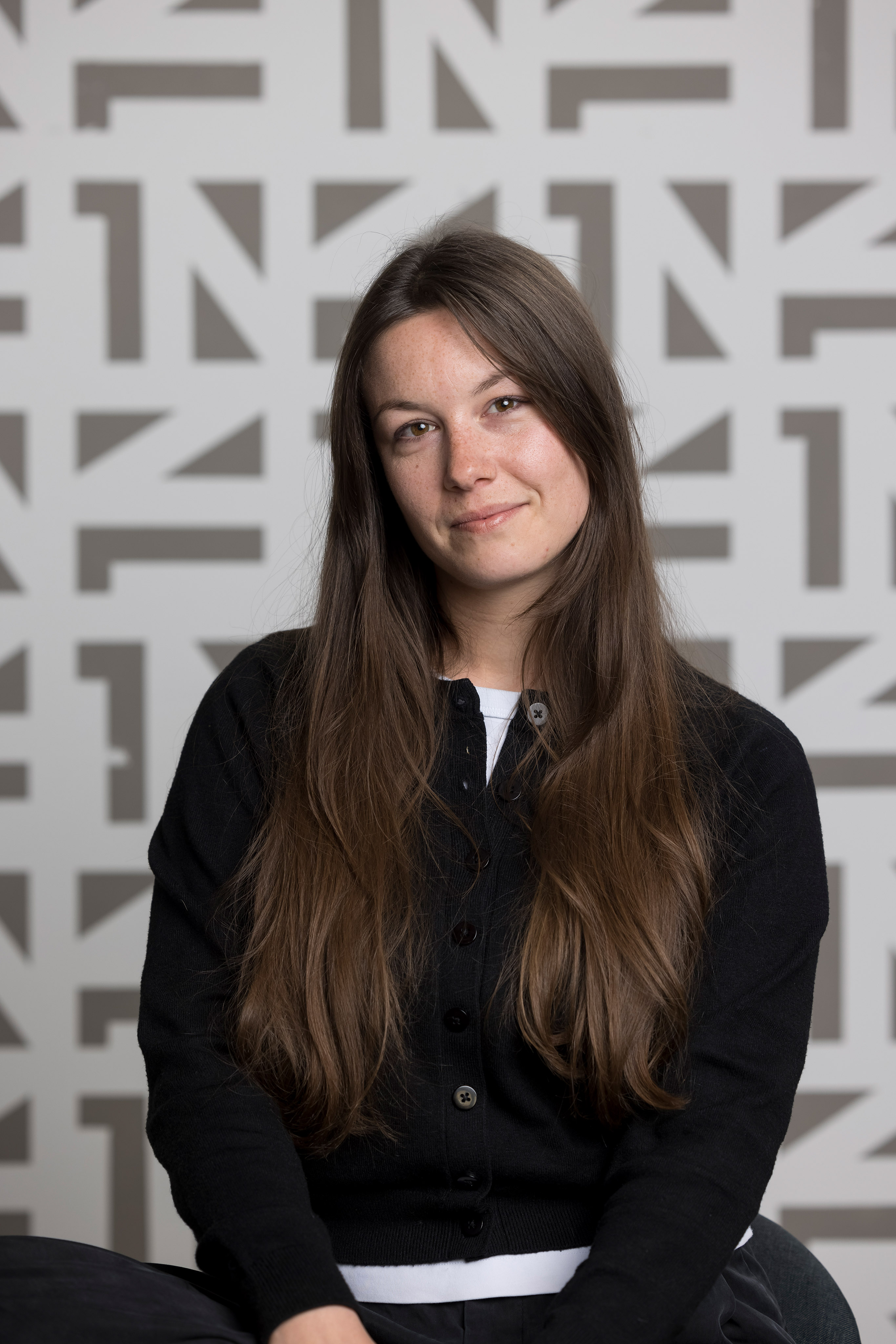 Šiva Rustja (PiNA) - Šiva heads communications at PiNA, bringing a strong background in journalism and agency-level strategic communication. She is responsible for designing and executing the overall communication strategy for Plate of Memories, managing digital channels, and crafting engaging content. Her expertise ensures that the project’s stories about ecology, memory, and sustainability effectively reach and connect with diverse audiences, including local communities and older generations.
Consortium Partners & Community Channels:
- Gastronomy High School (GHS) Izola – Provides the physical infrastructure for culinary workshops and the final performative dinner. Led by women, GHS serves as a primary channel for student engagement and culinary education.
- Elderly Center Izola – Manages recruitment and integration of 16 elderly residents (Guardians of Heritage). Acts as an engagement channel for seniors and manages informed consent and ethical protocols.
- Marine Biology Station Piran (MBP Piran) – Scientific partner led by Borut Mavrič. Provides data-driven ecological monitoring, validates species census data, and ensures scientific rigor throughout the project.
- Christian Pugliese – Local fisherman serving as expert from practice. Represents the local fishing community, conducts field expeditions, and provides traditional ecological knowledge.
- HEKA Art&Science Lab, PiNA – Workshop space for biomaterial processing and artistic co-design. Hosts open calls for public participation in plate creation.
Sustainability & Continuation
The project is designed with full environmental responsibility. All activities follow PiNA's "Do No Significant Harm" principle. Zero-waste cuisine practices minimize environmental impact. Biomaterial serving plates are crafted from sustainable marine materials. The project bridges the gap between academic knowledge and local practice through citizen science, actively involving seniors and culinary students as contributors.
The work is designed to continue well beyond the six-month accelerator. The Blue Awareness handbook will be released as an open-source educational resource under Creative Commons license, available for adaptation by NGOs, educational institutions, and communities worldwide. The Gastronomy High School Izola is expected to adopt zero-waste protocols as standard practice. The Blue Badge certification model moves from pilot to permanent regional practice, potentially scaling across municipalities and tourist agencies. Future phases will seek support from Horizon Europe (circular economy) and Interreg (cross-border cooperation with Italy and Croatia) to establish this model as a standard for marine engagement across the Adriatic.
Inclusivity & Diversity
The team brings together different worlds: youth, scientists, seniors, artists, and fishermen who work side-by-side to blend old traditions with new ideas. The project is led by a strong female-led management team from diverse sectors. By partnering with the Elderly Center, the project directly involves economically disadvantaged residents. Through open calls and accessible design, the project engages Izola's diverse community including migrant populations, ensuring that participation is free and open to all.
Resources & Further Information
Key Partner Organizations:
- PiNA (Transdisciplinary arts and science organization): https://www.pina.si/en/about-us/
- Gastronomy High School Izola (Culinary education and workshop venue): https://www.srednjasolaizola.si/
- Elderly Center Izola (Community engagement and senior participation): https://www.dom-izola.si/ (Dom upokojencev Izola / Elderly Home Izola)
- Marine Biology Station Piran (MBP) (Scientific research and ecological monitoring): https://www.nib.si/mbp/en/
- HEKA Art&Science Lab, PiNA (Biomaterial development and artistic co-design): https://www.pina.si/en/about-us/