REEDable Design
Harvesting overgrown reeds to co-create design objects and reveal the nutrient cycles connecting inland freshwater to Baltic Sea health
Leading Organisation
Foundation SANA MARE, an environmental arts organization
Duration
6 months, Phase 3 Accelerator
Location
Lake Kāla (407 hectares), situated in the Ērgļi area of Madona Municipality in central Latvia. Lake Kāla is part of the Baltic Sea catchment area, one of the world's most nutrient-polluted seas. The processing and final event site is Pārsteigumkalns, a private estate near Ērgļi, village with a population of 1,656.
_______________________________________________
Project Overview
Lake Kāla faces gradual eutrophication—nutrient enrichment from agricultural runoff and wastewater—leading to reed overgrowth, reduced biodiversity, and deteriorating shoreline habitats. These nutrients flow downstream into the Baltic Sea, compounding one of Europe's most serious marine pollution problems. REEDable Design addresses this interconnected freshwater and marine crisis by transforming reed harvesting from a purely ecological practice into a participatory artistic and community event.
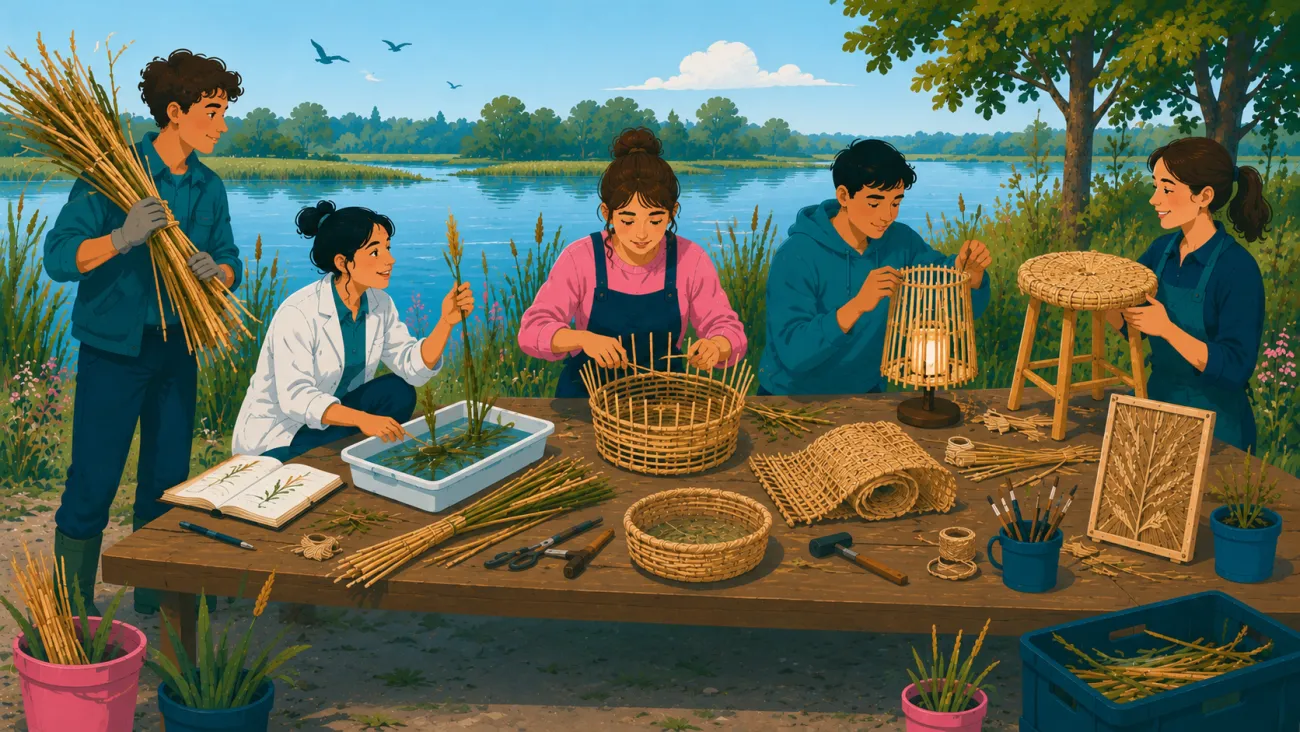
The project brings together scenographers, hydrobiologists, and the Ērgļi community to harvest overgrown reeds in August 2026 and co-create functional and aesthetic design objects from this biomass. Citizens actively participate in the ecological work, material experimentation, and design process. By demonstrating circular blue economy principles in a rural inland community, the project makes sustainability tangible through objects participants design and keep, while increasing water literacy and revealing the nutrient cycles connecting local lake health to Baltic Sea health.
Scientific Foundation
REEDable Design is grounded in a 2017 ecosystem study of Lake Kāla conducted by experienced team of hydrobiologists, including Marta Dieviņa and Madara Medne-Peipere from Freshwater Solutions. The study assessed the health of fish community and habitat conditions and explicitly recommended increasing community involvement in lake management, citing Article 14 of the EU Water Framework Directive, which requires member states to promote effective participation of all interested parties in river basin management.
The research question driving the initiative is: How can participatory creative processes make nutrient cycling emotionally meaningful and behaviourally relevant for rural communities? Freshwater Solutions will guide the reed harvesting to ensure measurable shoreline habitat improvement and co-facilitate community education sessions. New scientific understanding will be generated by documenting community perceptions of water health before and after participation, contributing to ocean literacy research and demonstrating how art and science can work together to address environmental challenges.
Art-Science Methodology
REEDable Design innovates by turning reed harvesting into a participatory artistic event, making scientific conservation practice the creative medium rather than merely the backdrop. The typical flow of knowledge is inverted: scientists and artists learn alongside community members rather than delivering expertise to passive recipients. Participants are active co-creators throughout—participating in the reed harvest (doing ecological work), co-design workshops (as designers and makers), knowledge exchange with scientists (sharing local observations), and the final exhibition (as presenters).
Scenographers coordinate the design process, guiding participants through material experimentation and prototyping. Reeds are sorted, dried, and transformed into garden furniture, decorative panels, baskets, lamps, and other functional and aesthetic objects. This combination of scenographic expertise, hydrobiological science, and community co-design is novel in the Latvian context and rare across Europe. The result is not simply ecological restoration, but a tangible demonstration that circular blue economy principles are achievable in rural inland communities.
Community Engagement & Social Impact
The project engages approximately 40–60 residents of Ērgļi as active participants, with particular focus on youth (16–30) and adults (31–65), including ethnic minorities, low-income families, and people without higher education. By bringing the project to Ērgļi rather than requiring travel to Riga (the capital city of Latvia), the project removes a key barrier for this rural community. All workshops are free and open.
Engagement channels include the Culture Centre of Ērgļi, which coordinates recruitment and hosts workshops, and the Board of Lake Kāla, which mobilizes existing lake user networks including fishers and residents with lakeside land. Sustained engagement is maintained through a sequence of events—harvest, workshops, and exhibition—spread over six months rather than a single event. Citizens' aesthetic preferences, practical needs, and local knowledge are central inputs to the design process. The team demonstrates strong gender balance, with the majority of named team members being women, and youth participation is supported through school outreach.
Ocean Literacy & Sustainable Impact
REEDable Design promotes all four dimensions of ocean literacy. Knowledge and awareness: participants learn about eutrophication, nutrient cycles, and the link between their lake and the Baltic Sea. Emotional attachment: through physical engagement with the lake and making objects from its materials, participants develop a personal relationship with the water. Attitude and behaviour change: understanding that local nutrients end up in the Baltic Sea motivates more environmentally conscious everyday behaviour. Action opportunities: participants directly restore lake habitat by harvesting reeds and demonstrate a circular economy practice applicable beyond the project.
- Short-term (6 months): 40+ participants deepen understanding of eutrophication and Baltic Sea nutrient pollution. Measurable shoreline habitat improvement is documented. 15–25 co-designed objects are created and kept by participants. 100+ visitors engage with the final exhibition.
- Medium-term (1 year): The methodology is documented openly and made available for replication in other Baltic lakeside communities. The Ērgļi community are encouraged to continue reed harvesting annually, gradually creating ecological benefits.
- Long-term (5+ years): REEDable Design becomes a replicable model for rural EU inland water management. The project contributes to Baltic Sea nutrient reduction. Freshwater Solutions publishes findings on community-based habitat management in peer-reviewed journals.
Expected Outputs
- Ecological: Measurable ecological improvement to at least one shoreline zone of Lake Kāla, documented by Freshwater Solutions. Reduced nutrient load and improved shoreline habitat structure.
- Artistic & Community: A collection of 15–25 co-designed functional and aesthetic objects made from Lake Kāla reeds, kept by participants. Public exhibition event reaching 100+ visitors at Pārsteigumkalns.
- Scientific & Educational: Ocean/water literacy outcomes for 40+ direct participants, measured through pre- and post-participation surveys. Photo and video documentation of process and outcomes. A project report documenting methodology, ecological data, design outcomes, and community feedback, uploaded to the PartArt4OW Zenodo community under CC-BY license.
Key Team & Partners
Project Leadership:
SANA MARE – Lead organization providing overall coordination, financial management, and PartArt4OW communication. Marianna Lapiņa leads the artistic co-design process. Elza Siliņa handles project coordination. Marta Dieviņa (hydrobiologist) and Madara Medne-Peipere (certified aquatic plant expert) – both from Freshwater Solutions. Provide scientific expertise on lake ecology and community education. Guide the reed harvest for ecologically beneficial removal and measurable shoreline habitat improvement.
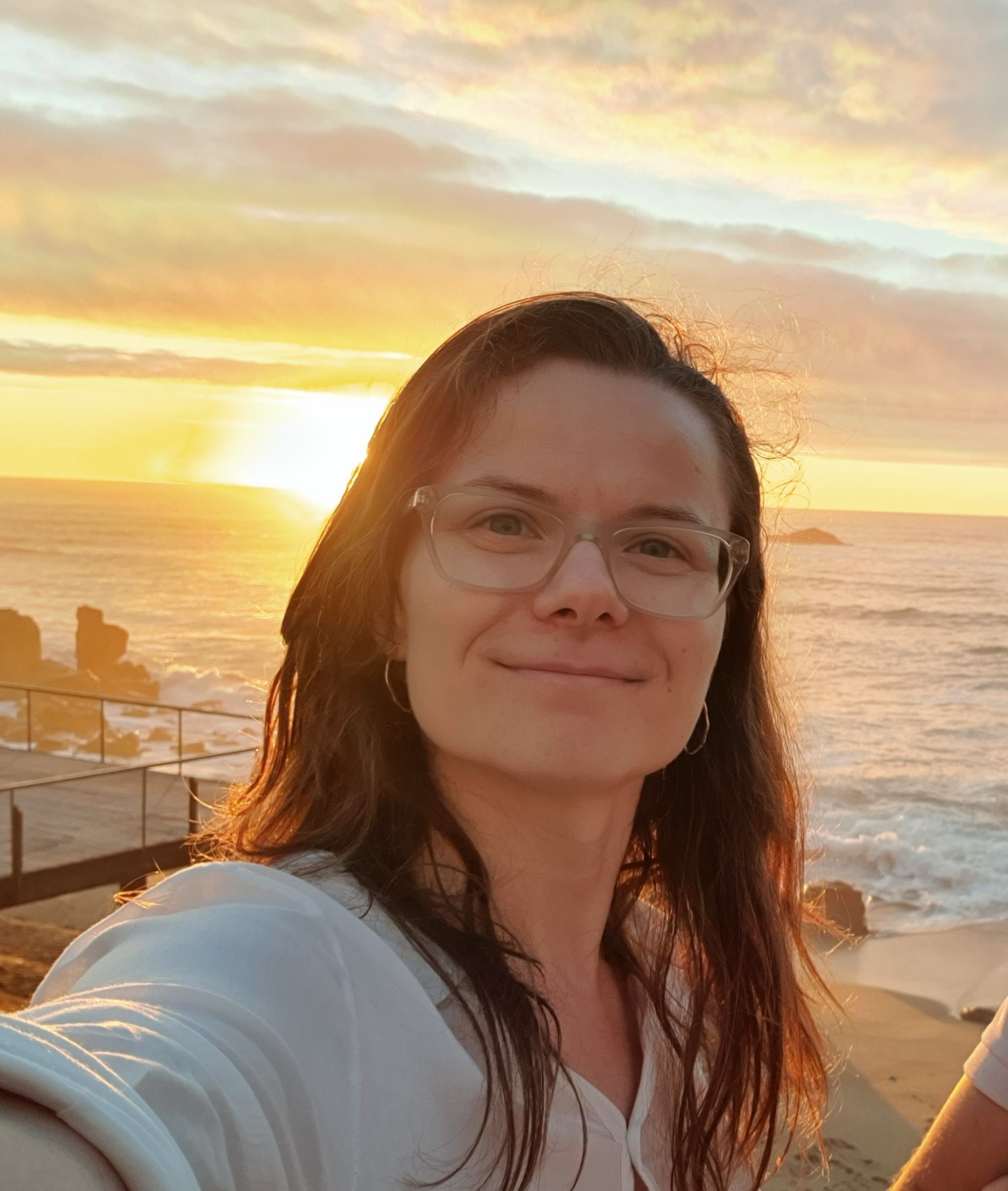 Marta Dieviņa - hydrobiologist with more than 10 years of experience in national and international research projects. Marta specializes in fish age analysis, science communication, and interdisciplinary research. She is interested in deconstructing the principles underlying the functioning of aquatic ecosystems and turning them into audiovisual storytelling.
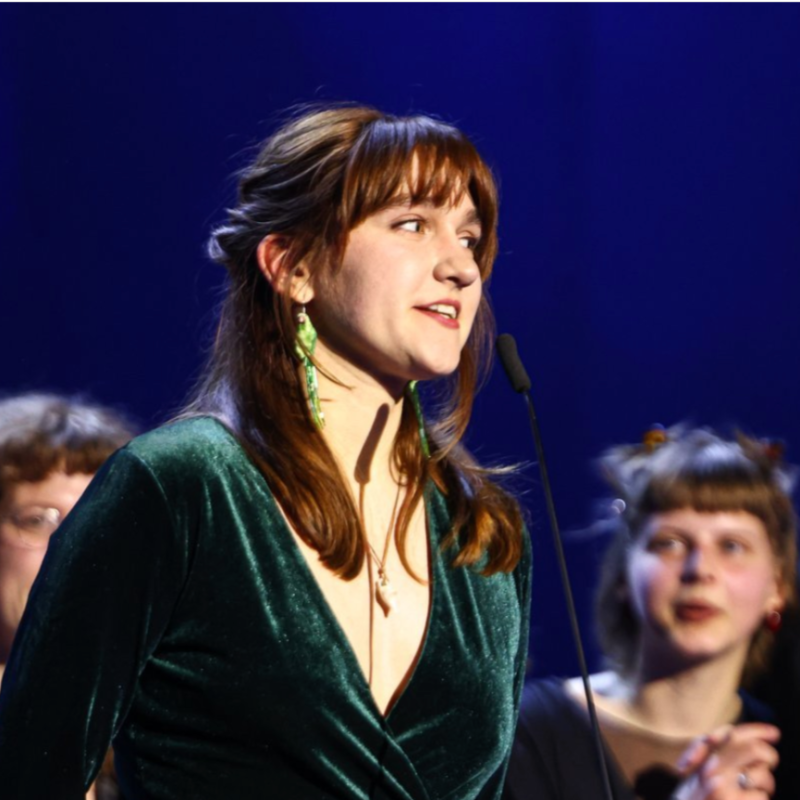 Elza Siliņa - culture and art project producer with focus on documentary films and site specific theatre performances , founder of production company “Pilna” and producer of multidisciplinary experimental art festival “Optižūns”.
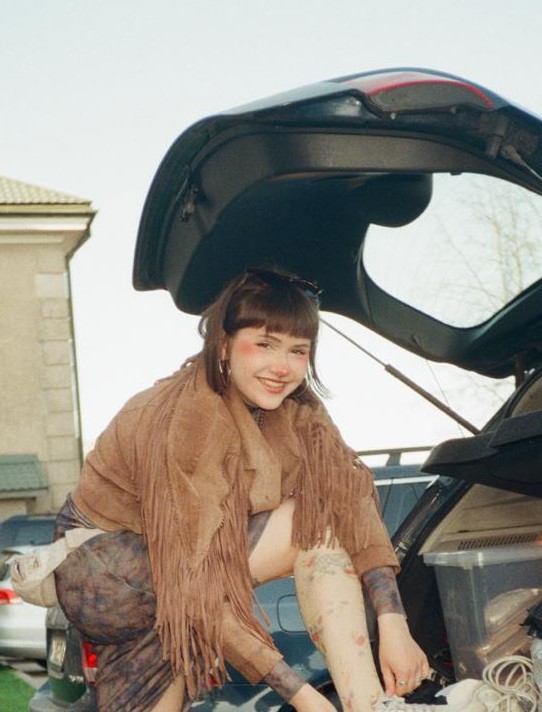 Marianna Lapiņa - scenographer and costume designer, director of the “Optižūns” festival, and curator of the performing arts program. Marianna works in state theaters and on independent projects. She is interested in site-specific works, original dramaturgy, “trash” and “kitsch” aesthetics, and humor.
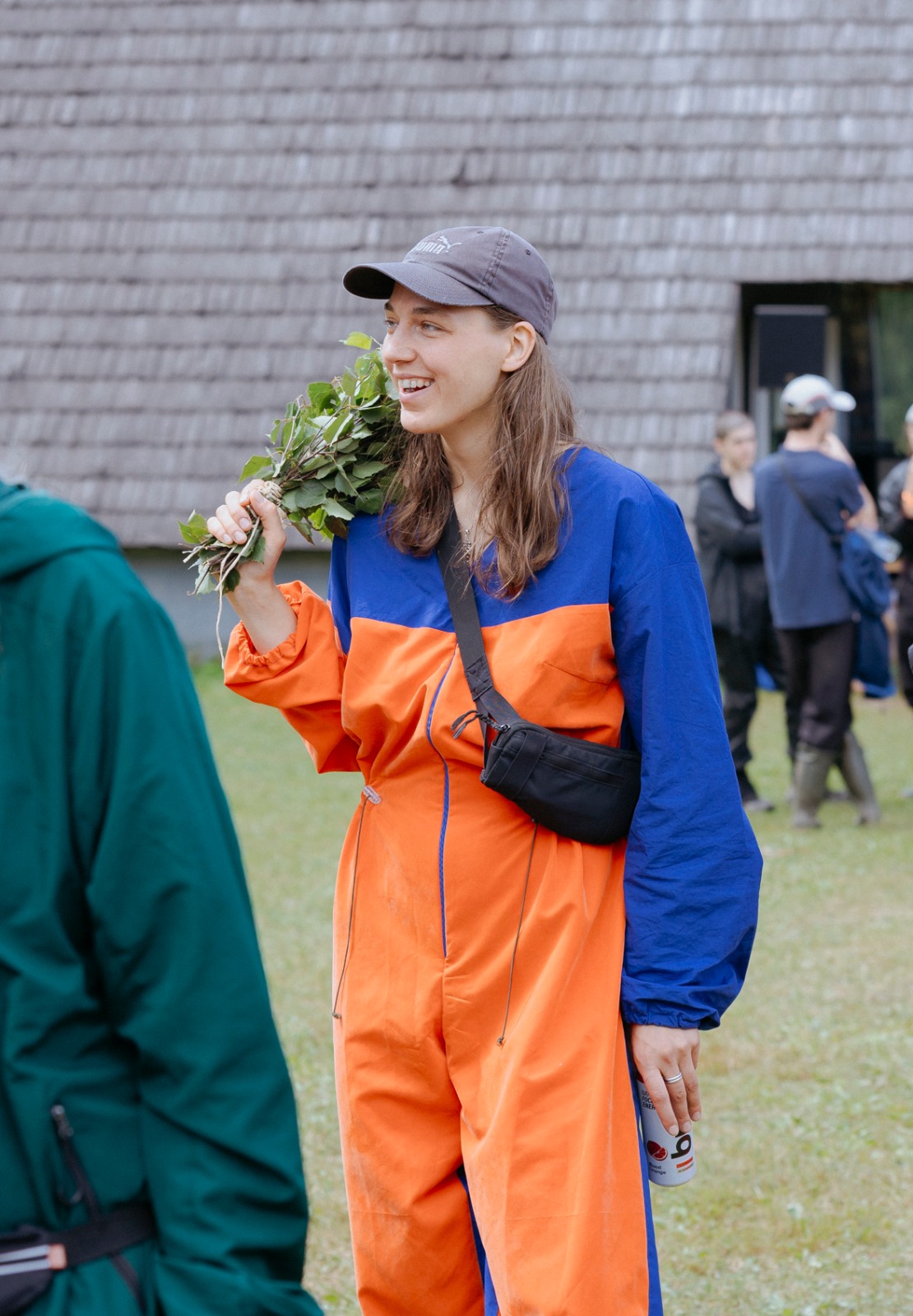 Ildze Jurkovska - scenographer and costume designer, curator of the environmental art program at the “Optižūns” festival. Ildze works in state theaters and on independent projects. Ildze is interested in materiality, nature-inspired art, and the relationship between art and the environment.
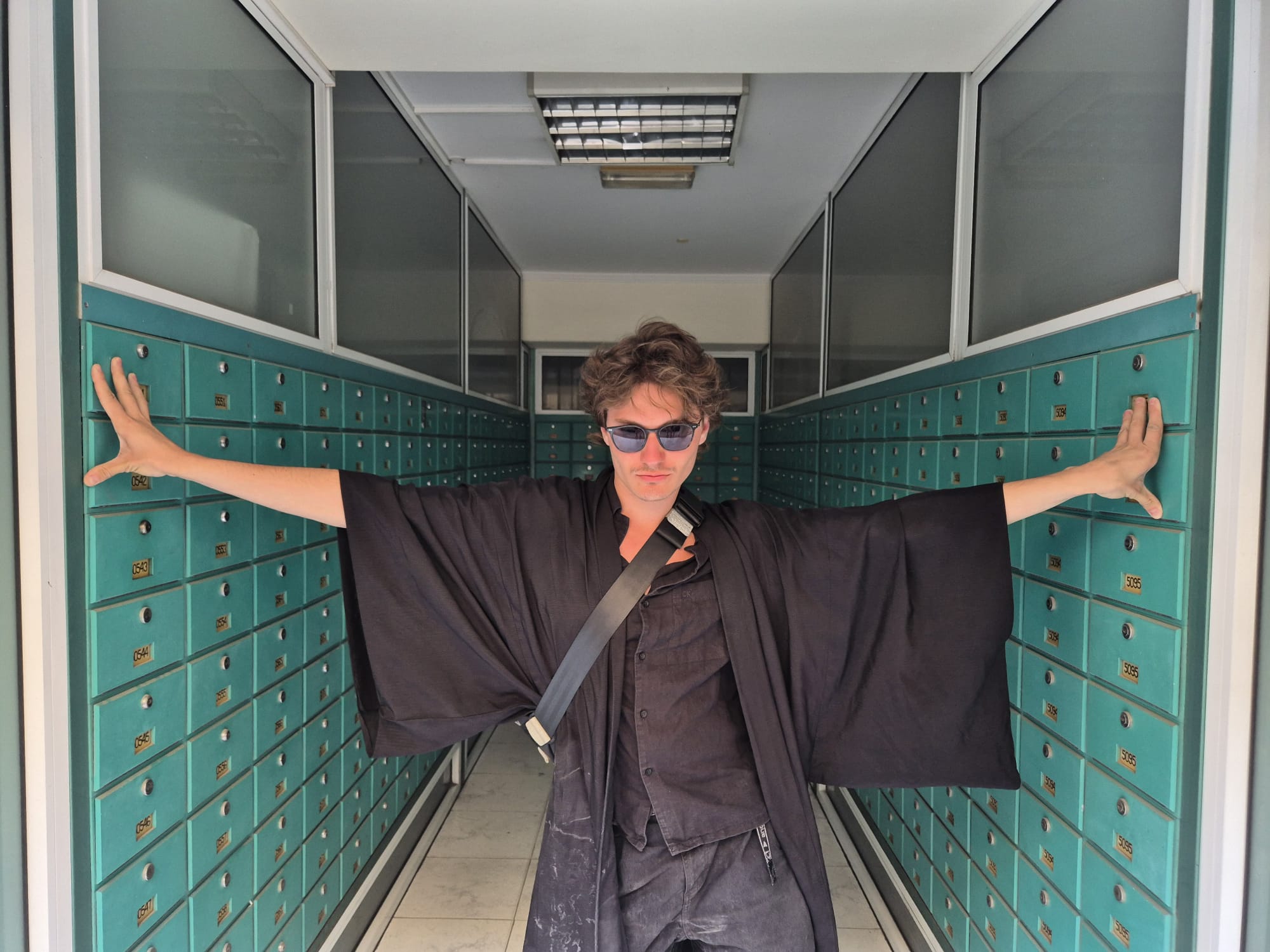 Dāniels Šantalovs - A product designer, he graduated from the Design Department of the Latvian Academy of Art. Experience in product and exhibition design, working with cultural and exhibition projects, as well as interdisciplinary cooperation with professionals from different sectors.
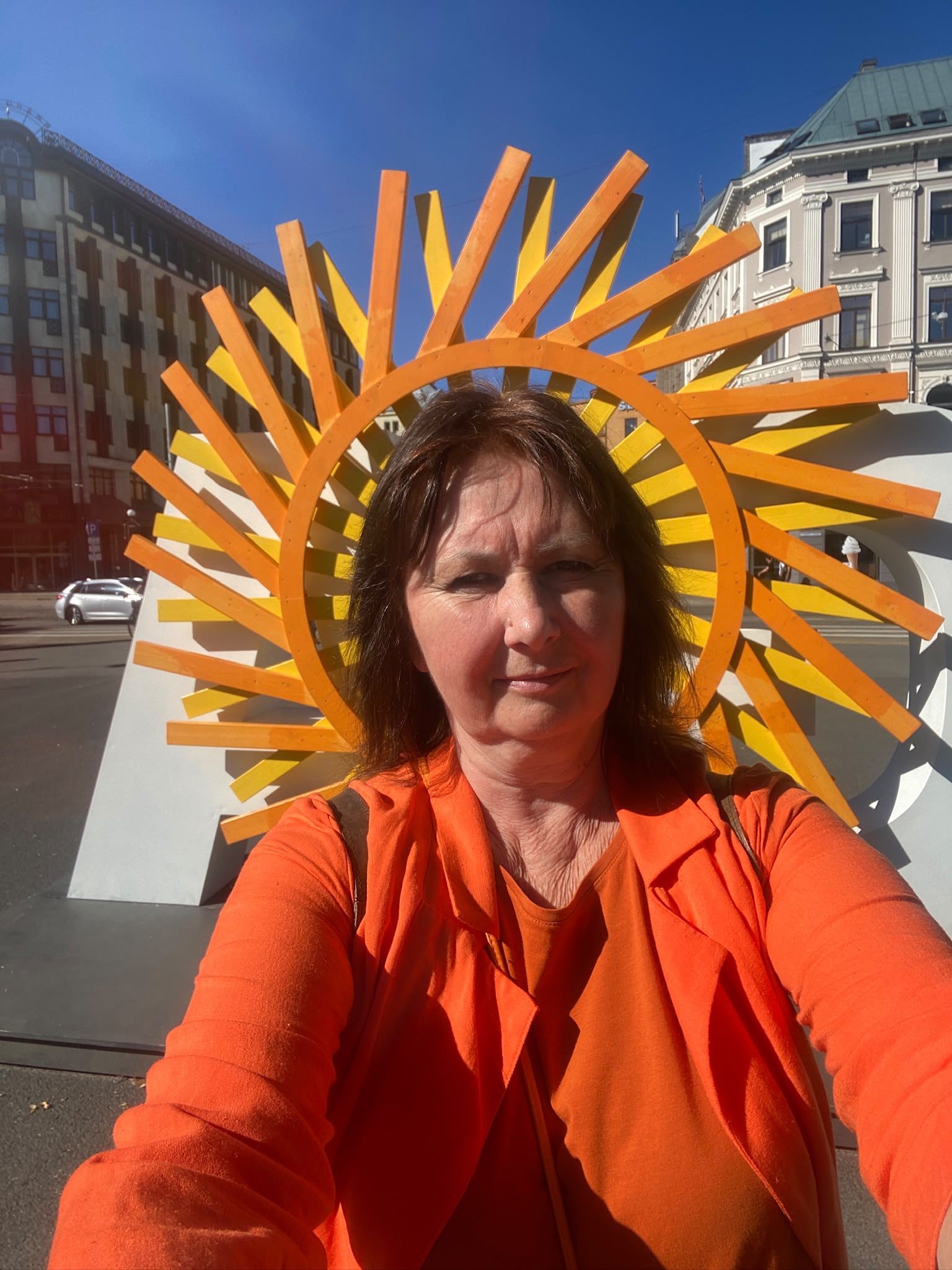 Ieva Lapiņa - artist, designer and decorator of state museum exhibitions.
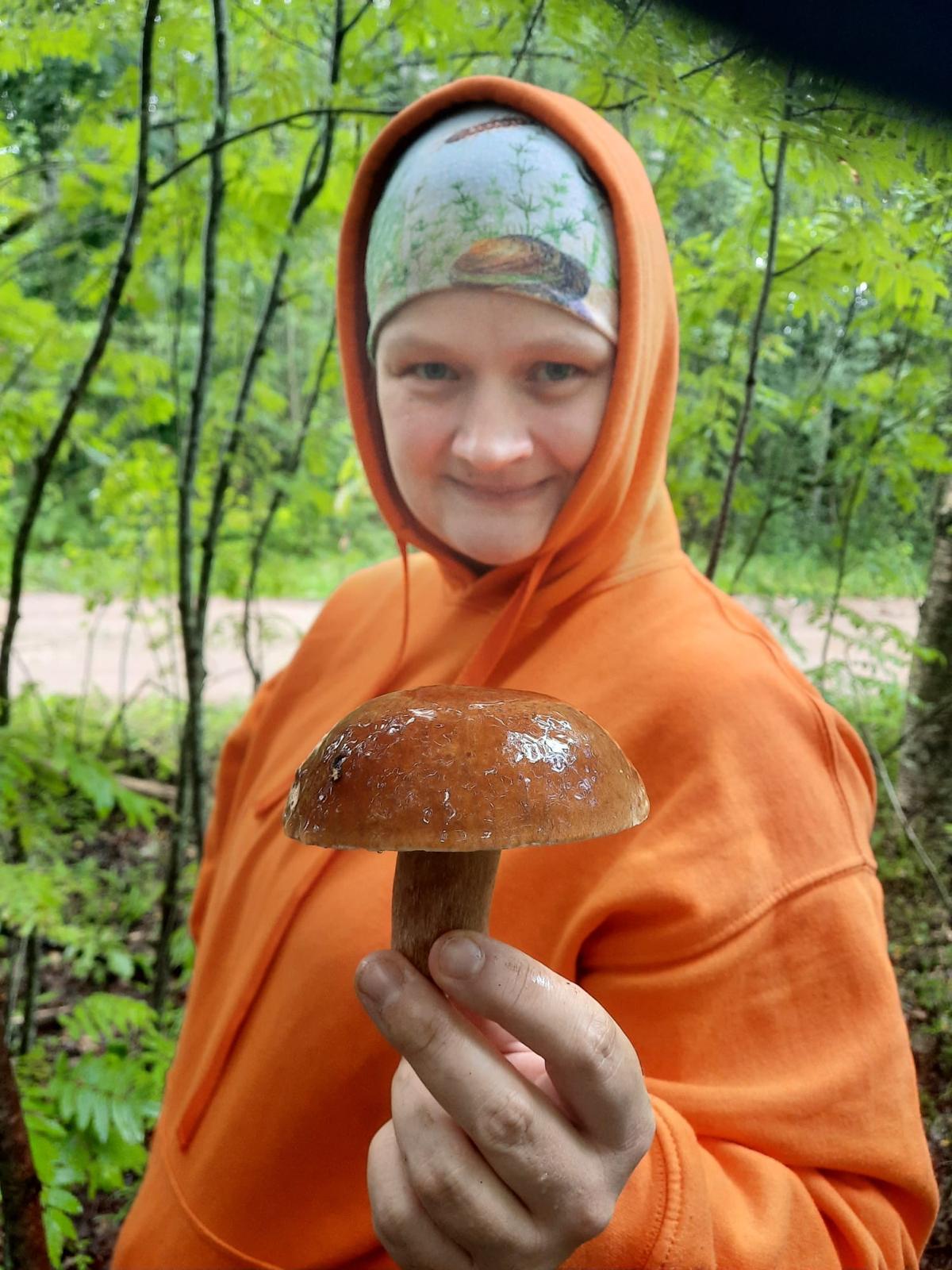 Madara Medne-Peipere - hydrobiologist with more than 10 years of research experience; a certified expert in wetland, standing, and flowing freshwater ecosystems, specializing in the analysis of microscopic algae and macrophytes (a.k.a. aquatic plants).
Consortium Partners & Community Channels:
- Culture Centre of Ērgļi – community recruitment and host venue for workshops. Engagement of residents including ethnic minorities and youth. Strong commitment to accessibility and inclusion.
- Board of Lake Kāla – provides lake access and mobilizes existing lake user networks (fishers, residents with lakeside land). Acts as a blue economy co-actor. Continues reed harvesting education through clean-up events beyond the project.
- Freshwater Solutions – hydrobiological research company engaged in sustainable freshwater resource management. Directly within the EU Blue Economy definition. Provides scientific oversight and will publish findings on community-based habitat management.
- Pārsteigumkalns – private estate providing outdoor space for reed processing and the final public exhibition.
Sustainability & Continuation
The project is designed with full environmental responsibility. Reed harvesting reduces the lake's nutrient load. All materials used are natural, local, and ecologically harvested. Travel is minimized; events are held outdoors with no new construction. Reeds that would otherwise decompose or be burned are given extended use-life as designed objects. This demonstrates that ecological care and creative expression are not separate practices but deeply interconnected.
The work is designed to continue well beyond the six-month accelerator. The Board of Lake Kāla will continue educating about reeds and lake health through clean-up events. SANA MARE will incorporate reed design masterclasses into its annual festival Optižūns. Future funding will be sought from the Madona Municipality Cultural Fund, State Culture Capital Foundation, New European Bauhaus, and Baltic Sea Region Interreg. The documented methodology is openly available for replication in other Baltic lakeside communities.
Inclusivity & Diversity
The team combines artistic expertise, natural science, environmental civil society, and local governance. Gender balance is strong, the majority of named team members are women. Being based in a rural, economically disadvantaged community ensures that marginalized groups are central to, not peripheral to, the work. Ethnic minority members are actively invited through the Culture Centre's networks. All activities are designed to be free, accessible, and welcoming to diverse participants.
Resources & Further Information
Key Partner Organizations:
- SANA MARE: Environmental arts organization based in Latvia
- Freshwater Solutions: Hydrobiological research for sustainable freshwater management
- Culture Centre of Ērgļi: Community engagement and workshop venue
- Board of Lake Kāla: Lake governance and stakeholder coordination
- Pasaules Dabas Fonds (Associated Partner of WWF): Expertise in environmental education and public outreach
- Madona Municipality (Regional authority supporting the project area): https://www.madona.lv/
- Optižūns Festival (Annual festival organised by SANA MARE where the methodology will continue): https://sanamare.lv/optizuns