Xarxa Oberta
Using participatory textile practices to reconnect a fishing community with sardine ecology and maritime heritage
Leading Organisation
Oceanographies Collective, specializing in interdisciplinary art-science-community initiatives
Duration
6 months
Location
Barceloneta, Barcelona, Catalan Coast, Western Mediterranean Sea (Balearic Sea).
_______________________________________________
Project Overview
Barceloneta was historically a fishing neighborhood, yet urban transformation, mass tourism, and generational divides have weakened the relationship between the community and its maritime heritage. At the same time, Mediterranean sardine populations are under increasing climate-related pressure, affecting a species that is both ecologically significant and central to local fisheries. Xarxa Oberta addresses these intertwined environmental and social challenges through participatory workshops that combine scientific research, fishers' knowledge, collective memory, and collaborative textile making using fishing-derived materials.
The project aims to reconnect the neighborhood with its fishing heritage, valorise the expertise and lived experiences of active fishers, and make ecological change more visible to the public. By bringing genomic research on sardine populations into dialogue with textile art and fishing-net repair practices, Xarxa Oberta translates complex marine ecological issues into tangible and socially meaningful experiences. The project culminates in a public exhibition-dialogue and a community fish meal, inspired by the traditional open-air sardinada and held at the harbour, fostering reflection on a more sustainable and inclusive local blue economy.
Scientific Foundation & Research
The project is grounded in genomic research on the population structure and connectivity of Sardina pilchardus (European sardine) led by Dr. Jordi Viñas at the University of Girona. This research explores how genomic knowledge brought into dialogue with fishers' Traditional Ecological Knowledge (TEK) can help mitigate "shifting baseline syndrome" and strengthen ocean literacy. Scientific soundness is ensured through direct involvement of the Laboratori d'Ictiologia Genètica and the use of established ethnographic frameworks to document maritime heritage and fishers' knowledge.
New knowledge is generated methodologically by examining the effectiveness of material-based mediation for citizen science and public engagement in coastal communities. Scientists play an active role by providing biological datasets, validating ecological observations shared by fishers, and co-creating narratives that translate complex scientific knowledge into community-led conservation actions.
Art-Science Methodology: Textile Practices & Marine Ecology
Xarxa Oberta embraces an art–science methodology that brings together marine ecology, data visualization, participatory textile practices, and situated local knowledge. Scientific research on the decline of sardine populations along the Catalan coast is placed in dialogue with the social transformations of Barceloneta, generating a shared framework through which ecological and cultural change can be understood as interconnected processes. These datasets are translated into a visual and material language, becoming the pattern for a collectively woven fishing net that makes otherwise abstract environmental and social dynamics tangible and accessible.
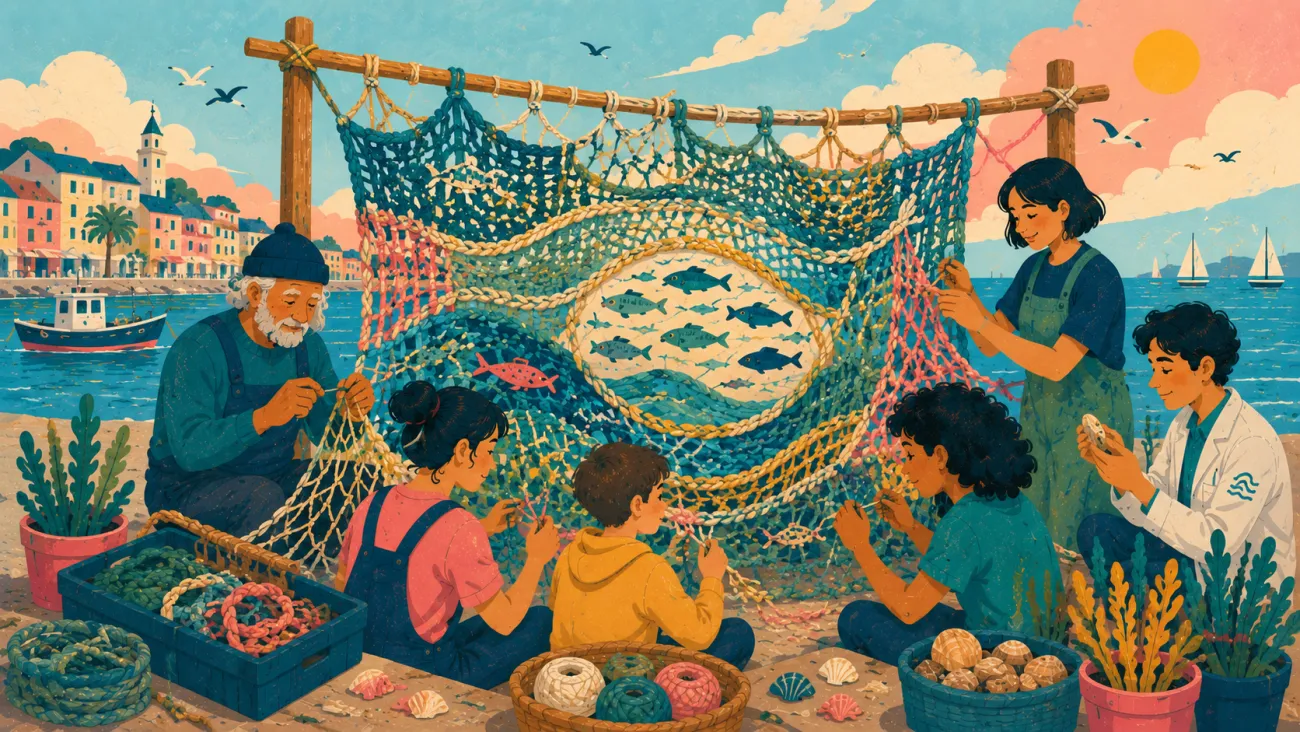
The project unfolds through a series of collaborative weaving sessions in public coastal spaces, where residents, fishers, scientists and local organisations collectively craft the net using recycled textiles, discarded fishing gear, and regenerated marine waste. Inspired by the traditional practice of net mending, textile making becomes both a form of environmental regeneration and a tool for knowledge exchange, community building, and intergenerational dialogue. The weaving process is accompanied by encounters with marine scientists and local fishers, as well as activities exploring marine biodiversity, sustainable fisheries, and alternative local fish species, fostering ecological literacy while reconnecting the neighbourhood with its maritime heritage and living blue economy.
Community Engagement & Intergenerational Dialogue
The project engages primarily Barceloneta residents and the local fishing community with a strong intergenerational approach. Citizens participate as co-creators while fishers act as knowledge holders and collaborators. All activities are free of charge. Engagement is built through the Cofradía's local networks, neighborhood associations, community spaces, and communication through project partners and social media.
The project is designed as a free, multi-generational, and accessible process with materials provided and no prior experience in art or science required. Through local outreach and hands-on, culturally rooted practices, it aims to engage people who are often distant from cultural or scientific spaces. Gender balance is supported through inclusive communication, facilitation, and a women-led team. The project prioritizes low-income families through free workshops and uses textile art as a culturally accessible medium to foster intergenerational exchange.
Ocean Literacy & Maritime Heritage
Xarxa Oberta promotes ocean literacy by creating situated, hands-on learning processes around Barceloneta's marine environment. Participants learn directly from fishers and scientists about Mediterranean ecosystems, the pressures affecting sardine populations, and the role of small-scale fisheries in the local blue economy. By translating this knowledge into participatory textile forms and public dialogue, the project makes complex marine issues tangible and socially meaningful, empowering participants to become more informed and engaged actors.
Expected Impacts
- Short-term (6 months): Fishers are recognised as knowledge holders; citizens engage as co-creators; stronger public awareness of marine change and local fisheries.
- Medium-term (1 year): Lasting local links between the Cofradía, residents, artists, and scientists; the archive and methodological guide remain available for reuse.
- Long-term (5+ years): Stronger maritime identity in Barceloneta; contribution against "shifting baseline syndrome"; a transferable model connecting participatory art, ocean literacy, and sustainable local blue economy that can be adapted in other Mediterranean ports.
Expected Outputs
- Workshops documentation exploring the relationship between the decline of sardine populations along the Catalan coast and the transformation of Barceloneta’s fishing neighbourhood.
- Participatory textile and sculptural works co-created through collective workshops.
- A data visualization illustrating the parallel ecological and social transformations.
- A final public event at the Fishermen's Wharf, including an exhibition of the textile works and a small popular meal inspired by sardinadas.
- A situated archive combining oral histories, ethnographic documentation, and accessible scientific knowledge on the sardine fishery.
- An open-access methodological guide on the project's situated mediation approach for replication in other Mediterranean coastal communities.
Key Team & Partners
Project Leadership:
Oceanographies Collective – Lead organization. Non-profit foundation that develops interdisciplinary projects at the intersection of art, science and coastal communities. Its work focuses on ocean literacy and marine science communication, creating accessible and engaging formats that bring together scientific research, artistic practice, situated knowledge and public participation.
Team:
 (Project Director) - Irene Solé Quevedo is the Project Director and concept originator of Xarxa Oberta. She is a cultural and scientific manager and storyteller specialising in ocean-related initiatives. She is co-founder and co-director of Oceanographies Collective, where she develops new approaches to ocean literacy and marine science communication by bringing artistic practice into dialogue with coastal communities, marine research and situated knowledge. She also leads communications and engagement for ONE-BLUE, a Horizon Europe project focused on emerging contaminants and their impact on marine ecosystems.
 Marina Montsonís (Artistic Director) - Marina Montsonís is the Artistic Director of Xarxa Oberta. She is a visual artist whose practice operates at the intersection of art, science, community kitchens, and politics. Since 2018, she has directed La CUINA del MACBA; she is co-author of La cocina situada (2021), author of Mare Mare (Ara Llibres Award 2024 and Roca Awards 2025), and a member of the artistic team of Tools for a Warming Planet. Her work explores the tensions between traditional based-place knowledge and science in the context of the ecosocial crisis, with a particular focus on the ecologies of the sea and her native neighbourhood of La Barceloneta.
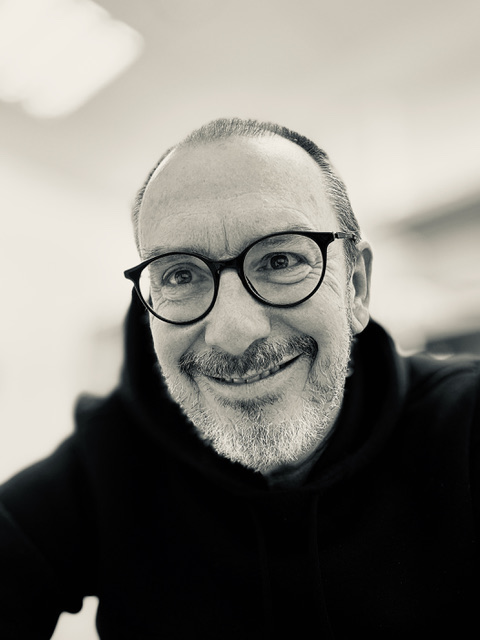 Jordi Viñas (Scientific Director) - Jordi Viñas is the Scientific Director of Xarxa Oberta and a professor of genetics in the Department of Biology at the University of Girona. He is a member of the Genetic Ichthyology Laboratory research group, where his work focuses on the population genetics, phylogeography and conservation of pelagic fish, as well as the genetic control of reproduction in aquaculture species. Together with Dr Marta Muñoz, he studies the status and genetic variability of sardine populations in the Mediterranean. He has also collaborated extensively with ICCAT, including as former director of its Small Tuna Research Program, and is a member of the governing board of BlueNetCat and the editorial board of Scientia Marina.
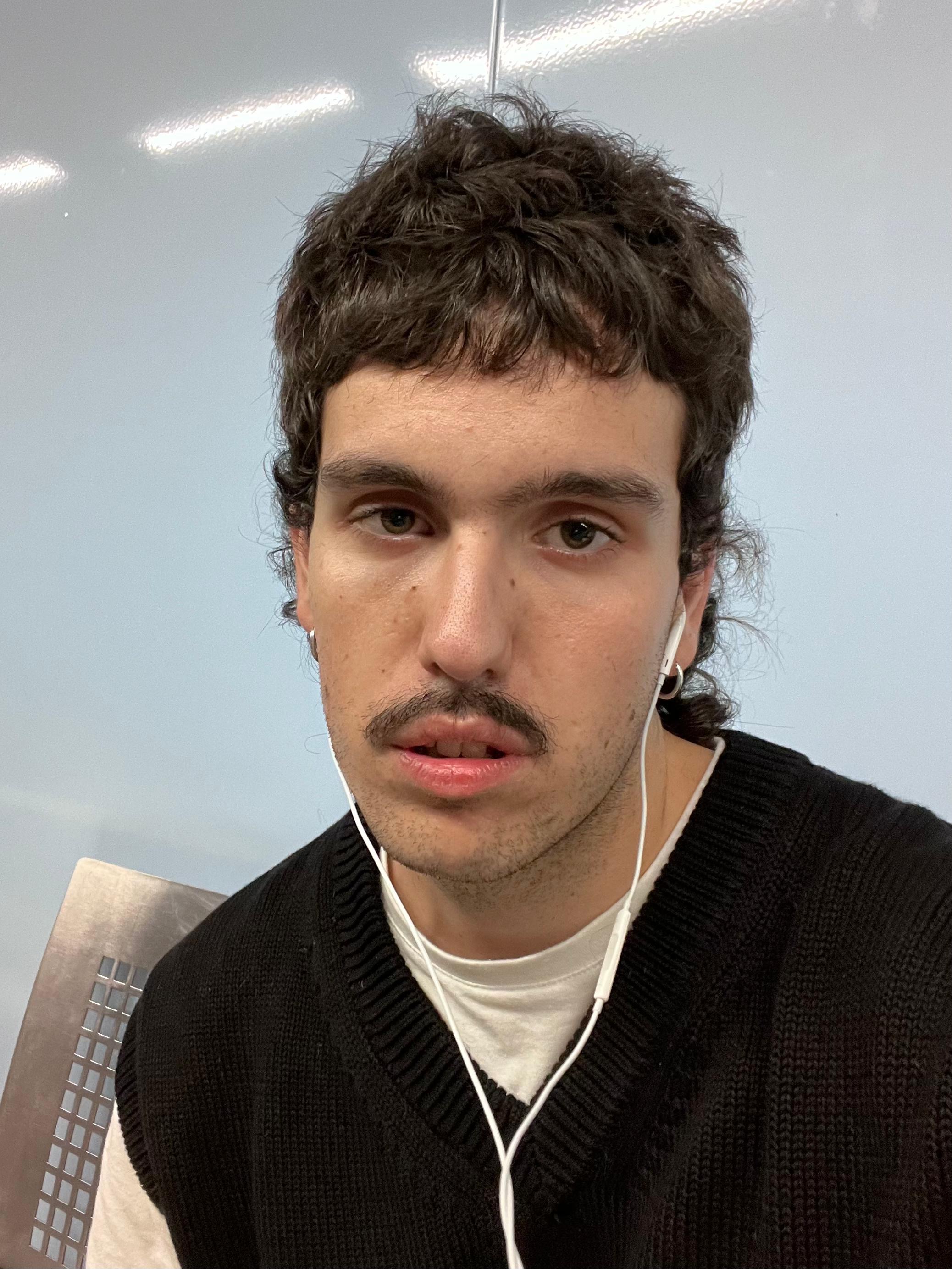 Adrián Capelo Pascual (Head of Production and Design) - Adrián Capelo Pascual is Head of Production and Design for Xarxa Oberta, where he develops the spatial, visual and production frameworks that shape the project. His practice brings together production, design and curatorial work, connecting ecological, social and cultural concerns through collaborative formats. He has co-directed self-managed initiatives such as Trapitos and curated projects at institutions including La Casa Encendida and the Eye Filmmuseum.
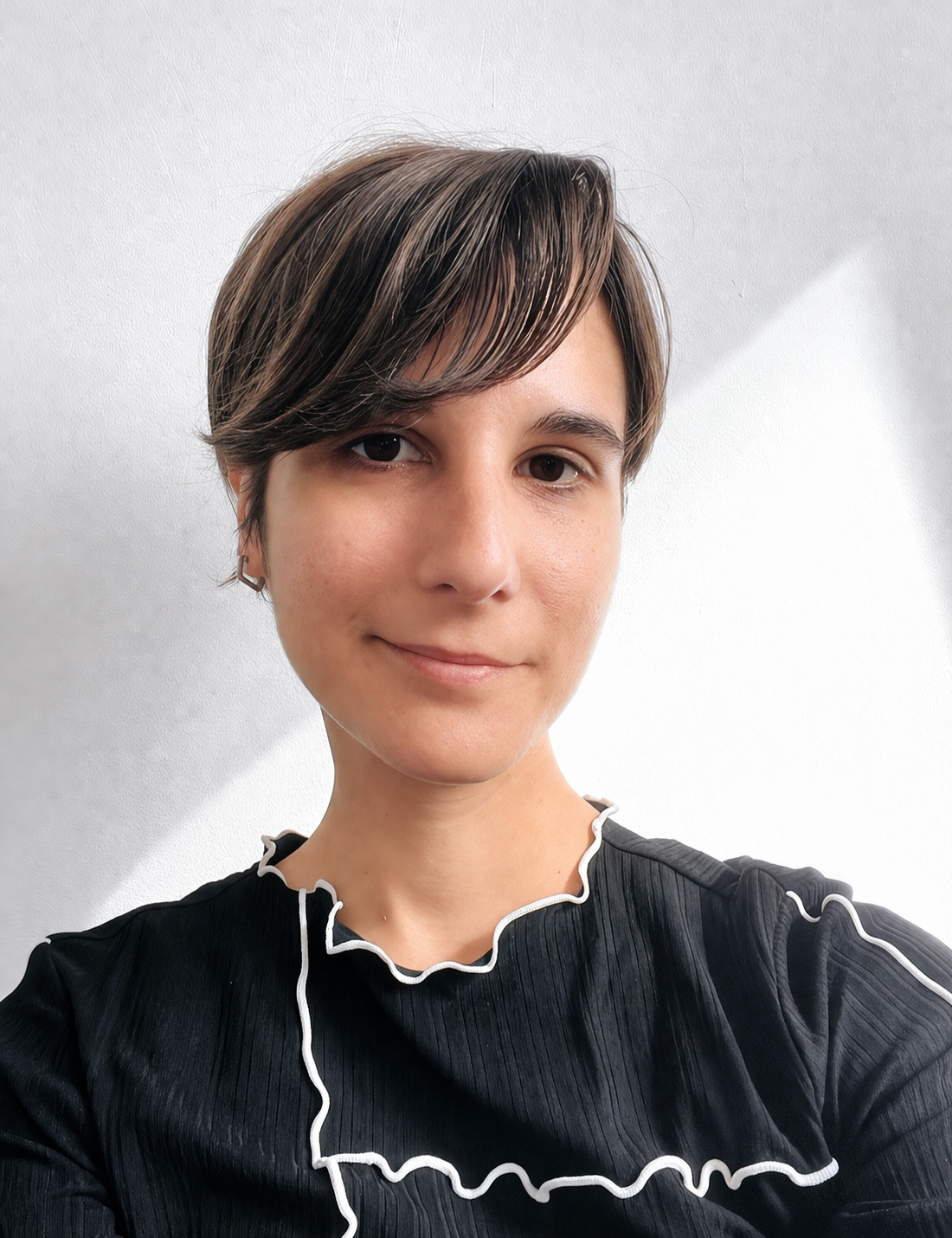 Nuria Bofarull (Head of Communications and Engagement) - Nuria Bofarull is Head of Communications and Engagement for Xarxa Oberta. Based between Amsterdam, Barcelona and Venice, she is a curator, creative director and marine science communicator. Her practice brings together oceanic narratives, marine ecologies and contemporary photography, approaching the sea as both a biodiverse ecosystem and a cultural, political and imaginative space. Through interdisciplinary research and curatorial projects, she works to strengthen ocean empathy, support ecological awareness and create new ways of connecting people with coastal and marine environments.
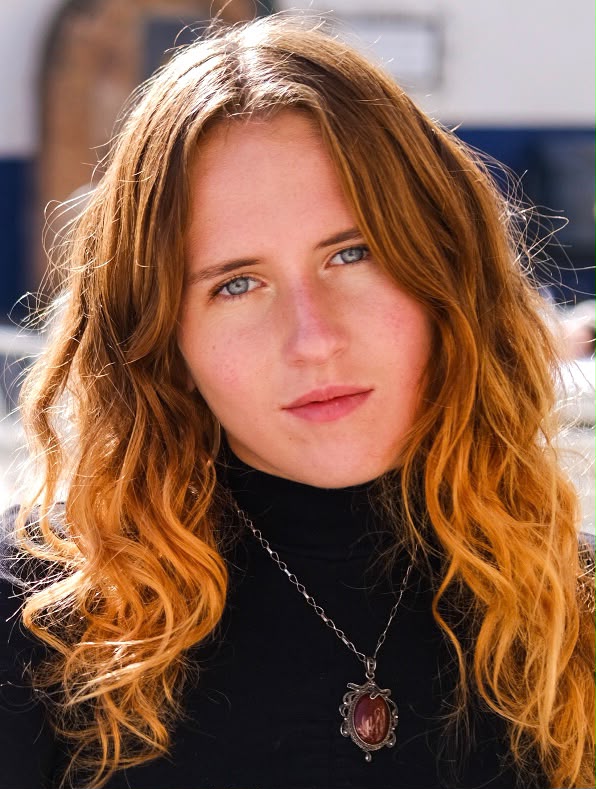 Sandra Martin (Coordinator of Ethics and Inclusion) - Sandra Martin is head of Ethics and Inclusion for Xarxa Oberta, where she develops the safeguarding, participation and accountability frameworks that guide the project. An anthropologist and visual artist, she combines ethnographic research with creative practice to explore ocean justice, cultural memory and ecological resilience. Her experience includes cultural programming at Cafca Club and sustainability consulting at Acre, where she advised on ethics, diversity and inclusion, as well as collaborations across social science, art and environmental justice.
Javier Carrasco is the Fishermen’s Association Representative for Xarxa Oberta and Secretary of the Confraria de Pescadors de Barcelona. He acts as the main link between the project and the local fishing community, contributing first-hand knowledge of the sector and supporting outreach, participation and engagement with fishers and local networks.
Consortium & Collaborating Partners:
- Confraria de pescadors de Barcelona – Key local partner. It provides access to the Fishermen's Wharf, connects the project to Barceloneta's fishing community, and acts as a main channel for citizen engagement and local outreach. Representative: Javier Carrasco
- Laboratori d'Ictiologia Genètica (Universitat de Girona) – Scientific partner providing genomic research on sardine populations and high-level scientific validation. Representative: Jordi Viñas.
Sustainability & Continuation
Xarxa Oberta is built around circularity: its core activity transforms discarded nets and fishing-derived remains into textile works using recycled or natural fibres whenever possible. The final event is plastic-free and low-waste, featuring local sardines and proximity products to minimise transport emissions. Promotion is primarily digital, with workshops prioritizing reuse, repair, and low-impact materials.
The project will leave a local legacy through stronger ties with the Cofradía, participants, and community partners, as well as through the textile works and project documentation. The methodological guide and selected materials will remain available for future use and possible replication. Oceanographies Collective may seek further cultural and blue economy-related funding to scale the project beyond the pilot phase.
Inclusivity & Diversity
The women-led team balances the traditionally masculine fishing trade by ensuring outreach to youth, women, and immigrants. The project prioritizes low-income families through free workshops using textile art as a culturally accessible medium to foster intergenerational exchange. Gender balance is supported through inclusive communication, facilitation, and team composition.
Resources & Further Information
- Oceanographies Collective: An interdisciplinary art–science–community organisation advancing ocean literacy.
- Confraria de pescadors de Barcelona: Small-scale fishing sector representative
- Laboratori d'Ictiologia Genètica (Universitat de Girona): Genomic research on sardine populations
- Port de Barcelona: Location of the Fishermen's Wharf