July 4-6, 2026 | Gulf of Naples, Italy
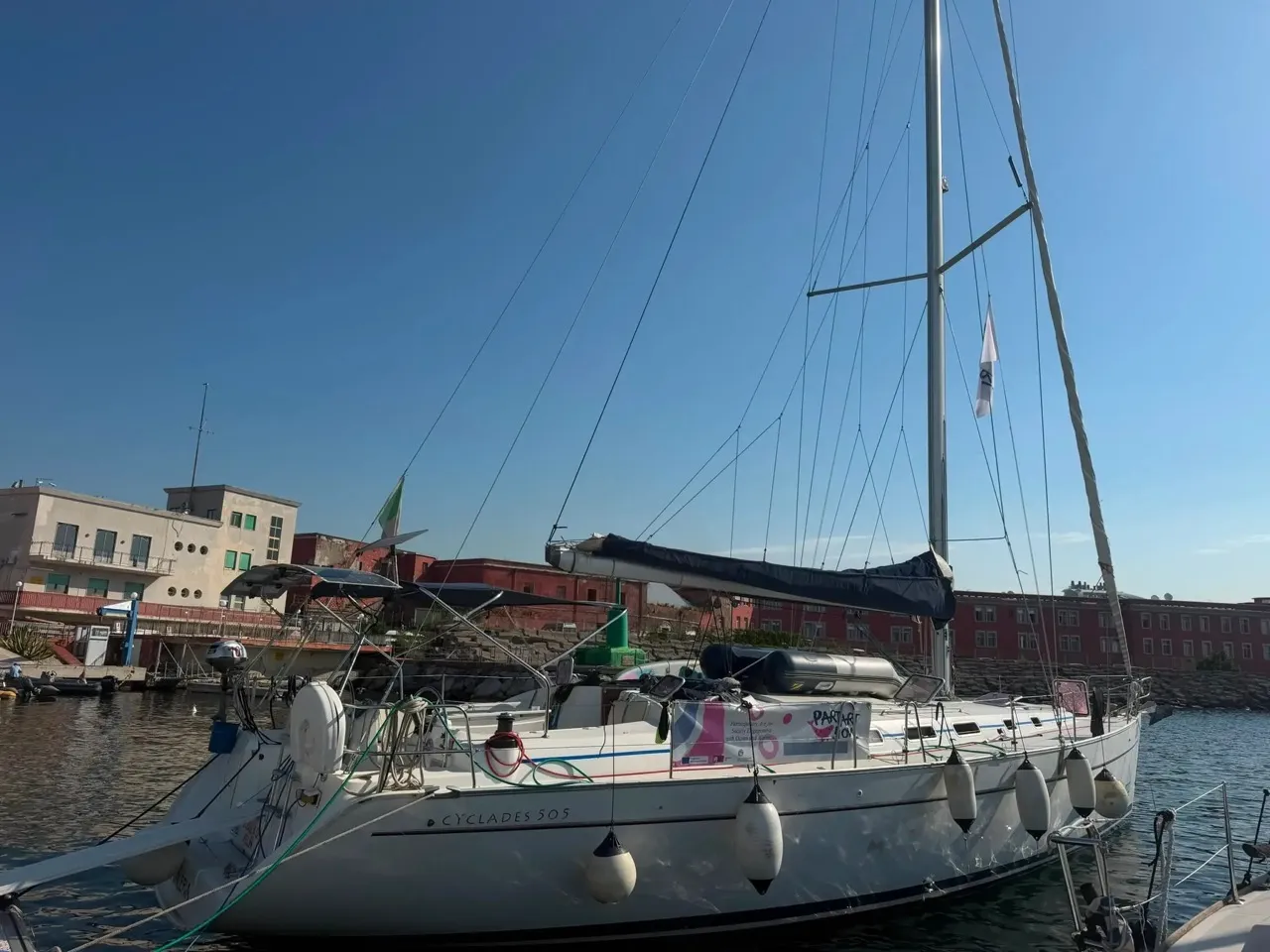
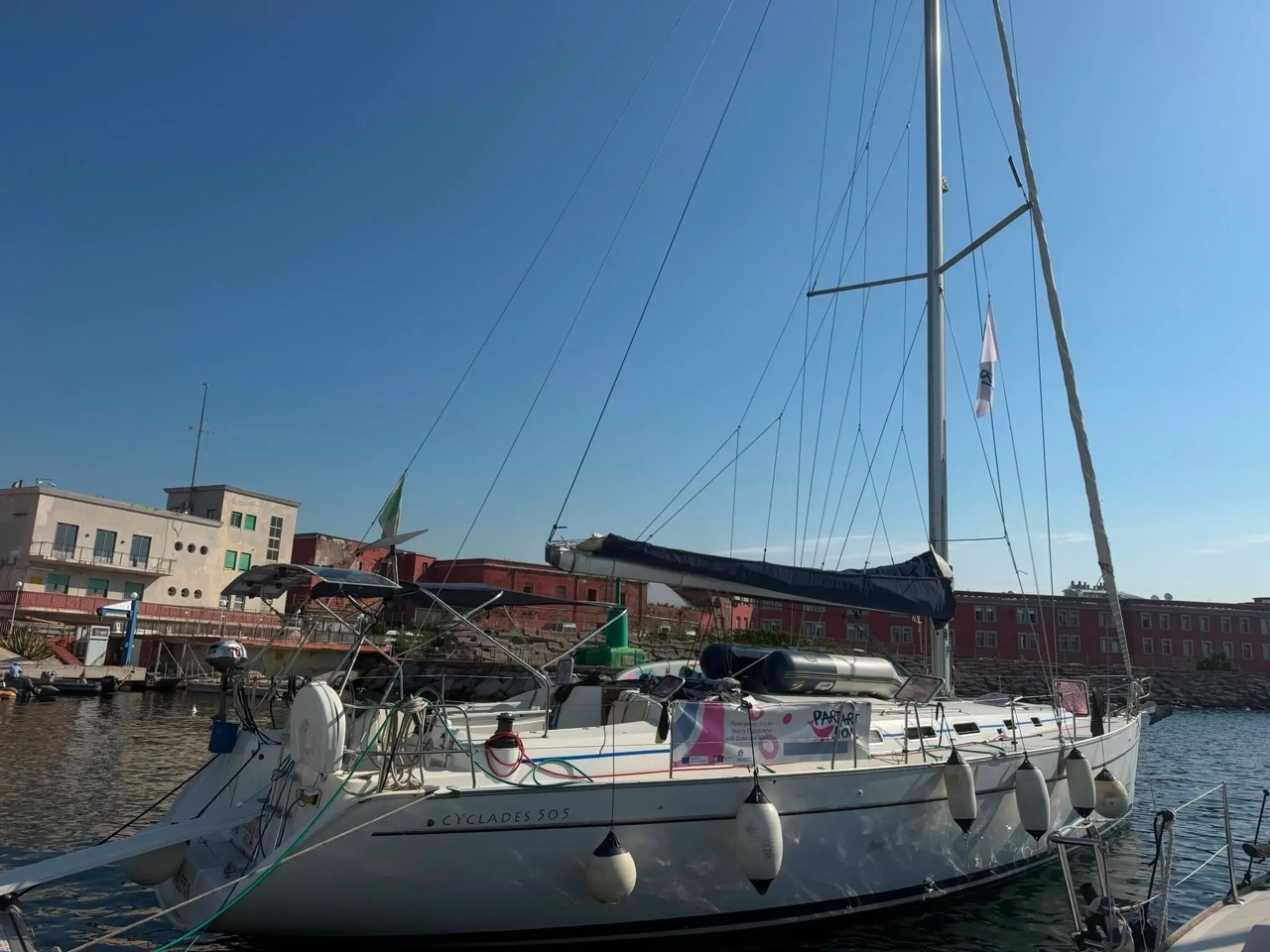
After concluding the Isola Alter Ego participatory art initiative on Ventotene on July 2, the PartArt4OW Sailing Lab set course toward the Gulf of Naples, embarking on one of the expedition's most challenging and environmentally significant segments.
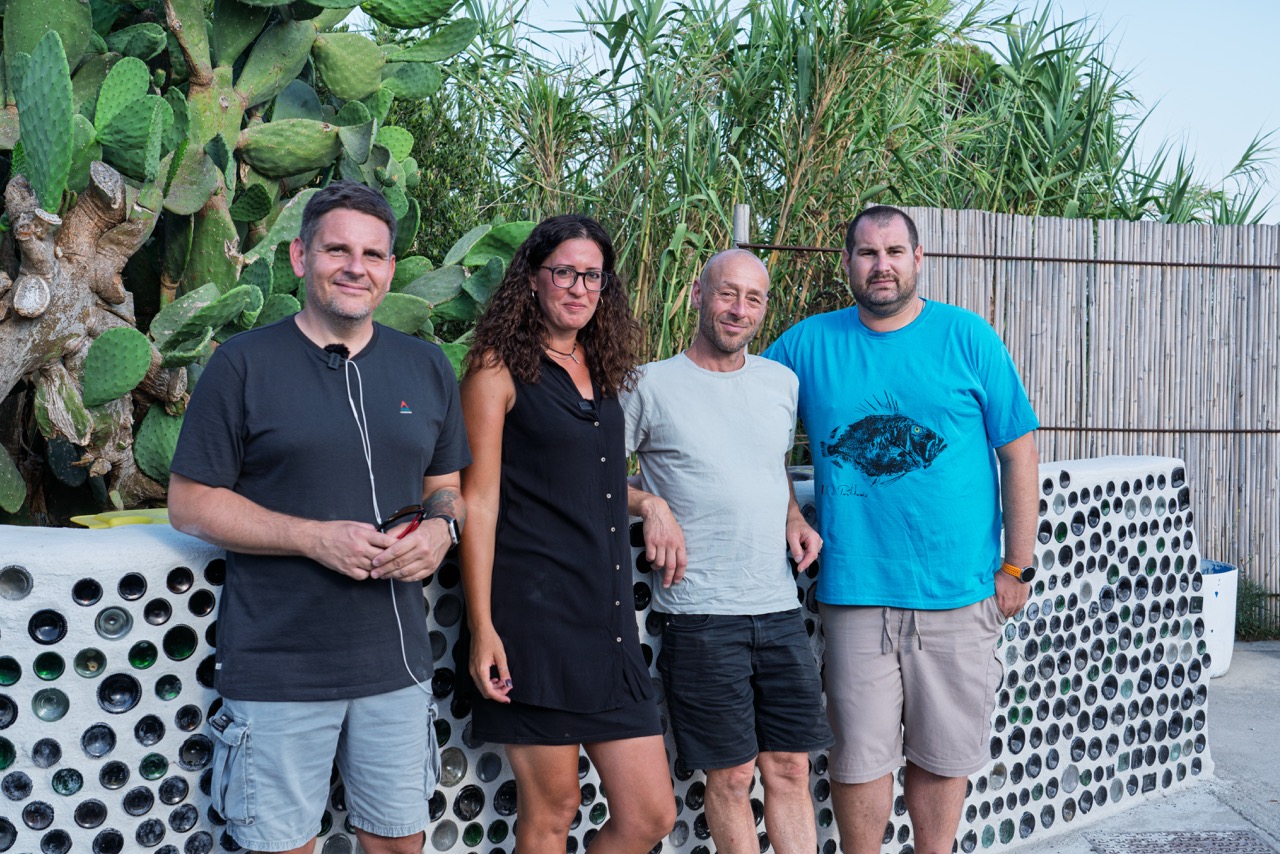
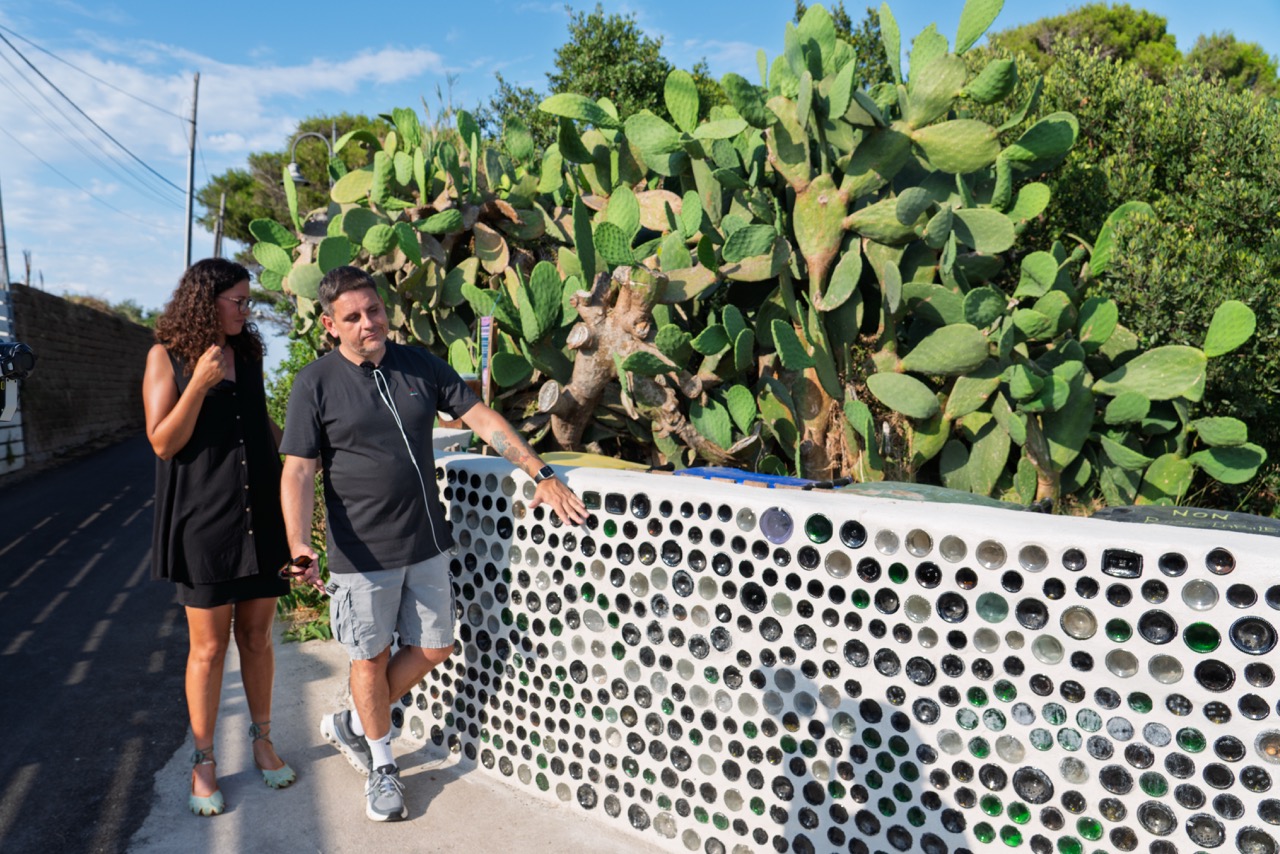
Photo Credits: Giuseppe Lupinacci
Over four days, the vessel documented emerging marine challenges, engaged with scientific research, and participated in the MedSail PAI, an artistic intervention addressing coastal sustainability in one of the Mediterranean's most emblematic landscapes of industrial transition.
Protecting Ecosystems in the Gaiola Reserve
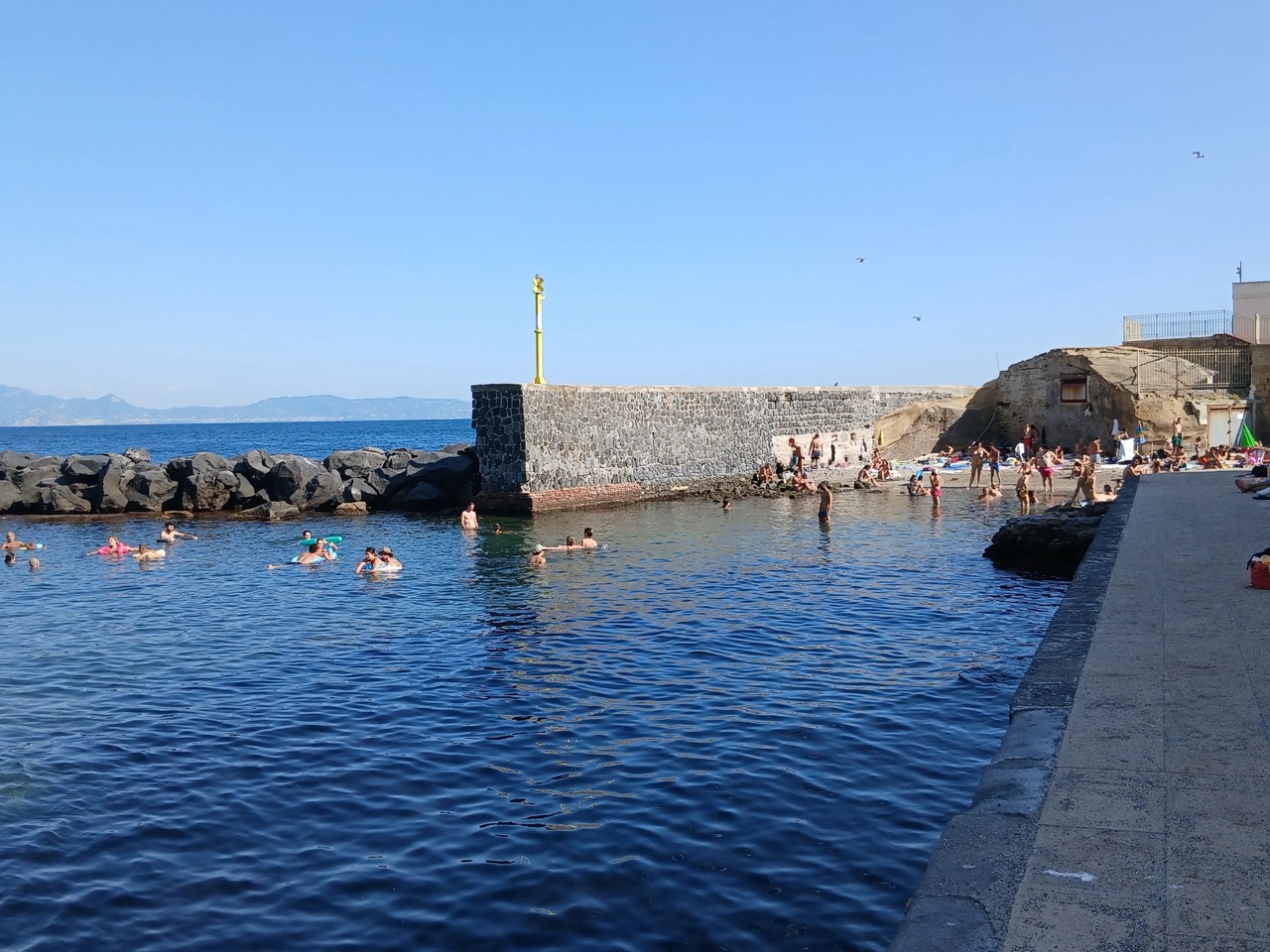
On July 4, following a technical stop in Procida, the SailingLab reached the Gaiola Marine Protected Area (APM Parco Sommerso Gaiola), Italy's smallest marine reserve. Located within one of the Mediterranean's most intensively urbanized coastal zones—marked by heavy motorboat traffic, tourism, and infrastructure—the Gaiola Reserve represents a crucial conservation effort against overwhelming environmental pressures.
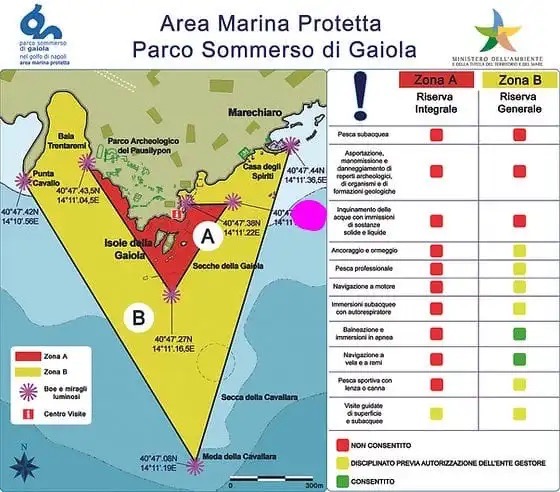
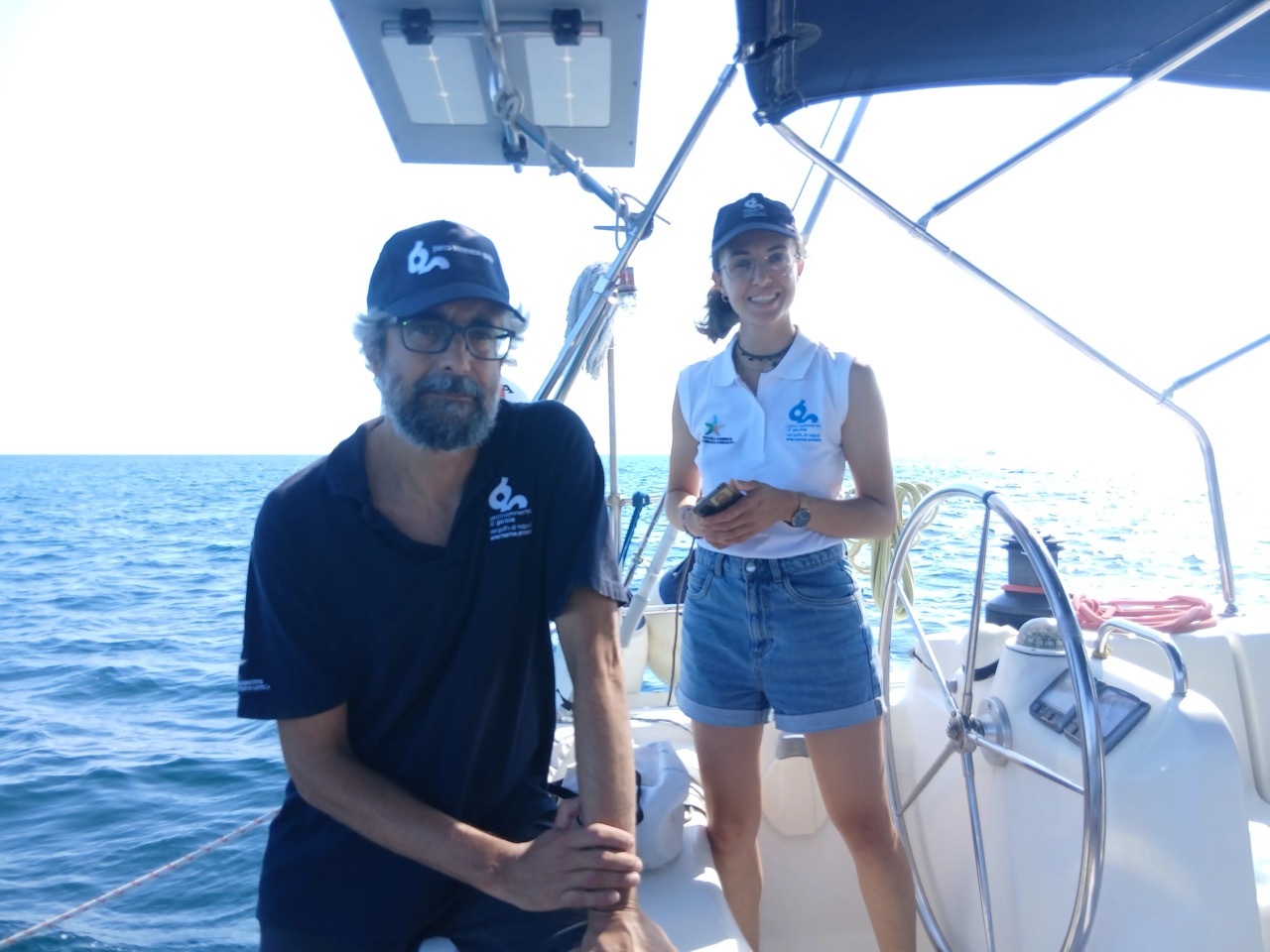
The team documented research efforts led by reserve director Maurizio Simeone and marine biologists Livia Sinigaglia and Giulia Mazzero. The research center focuses on critical conservation challenges: analyzing the impact of wet wipes on marine ecosystems, monitoring effects on coralligenous plants and sea urchins, and developing innovative methods for replanting Posidonia oceanica—a seagrass vital to Mediterranean ecological health.
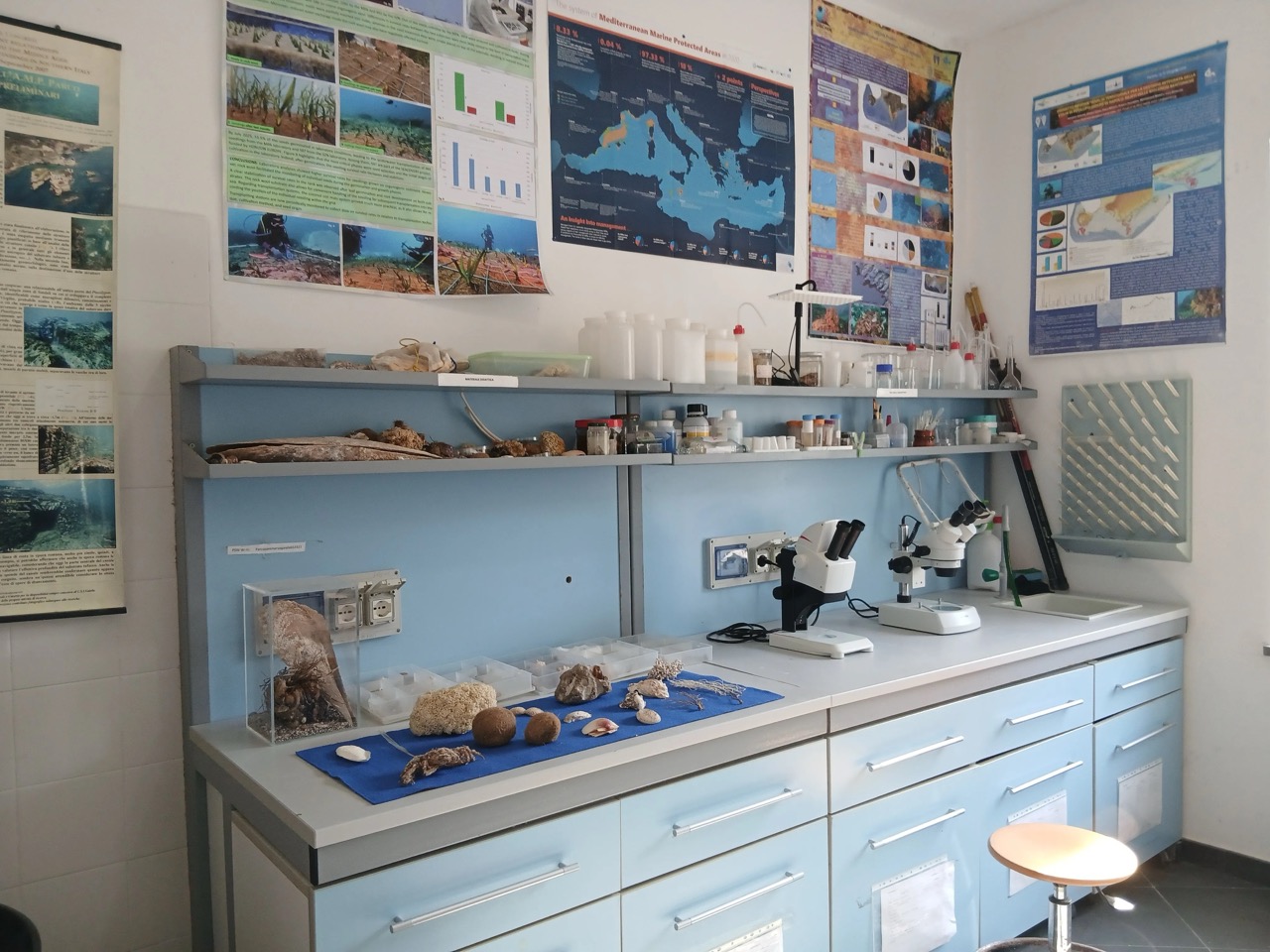
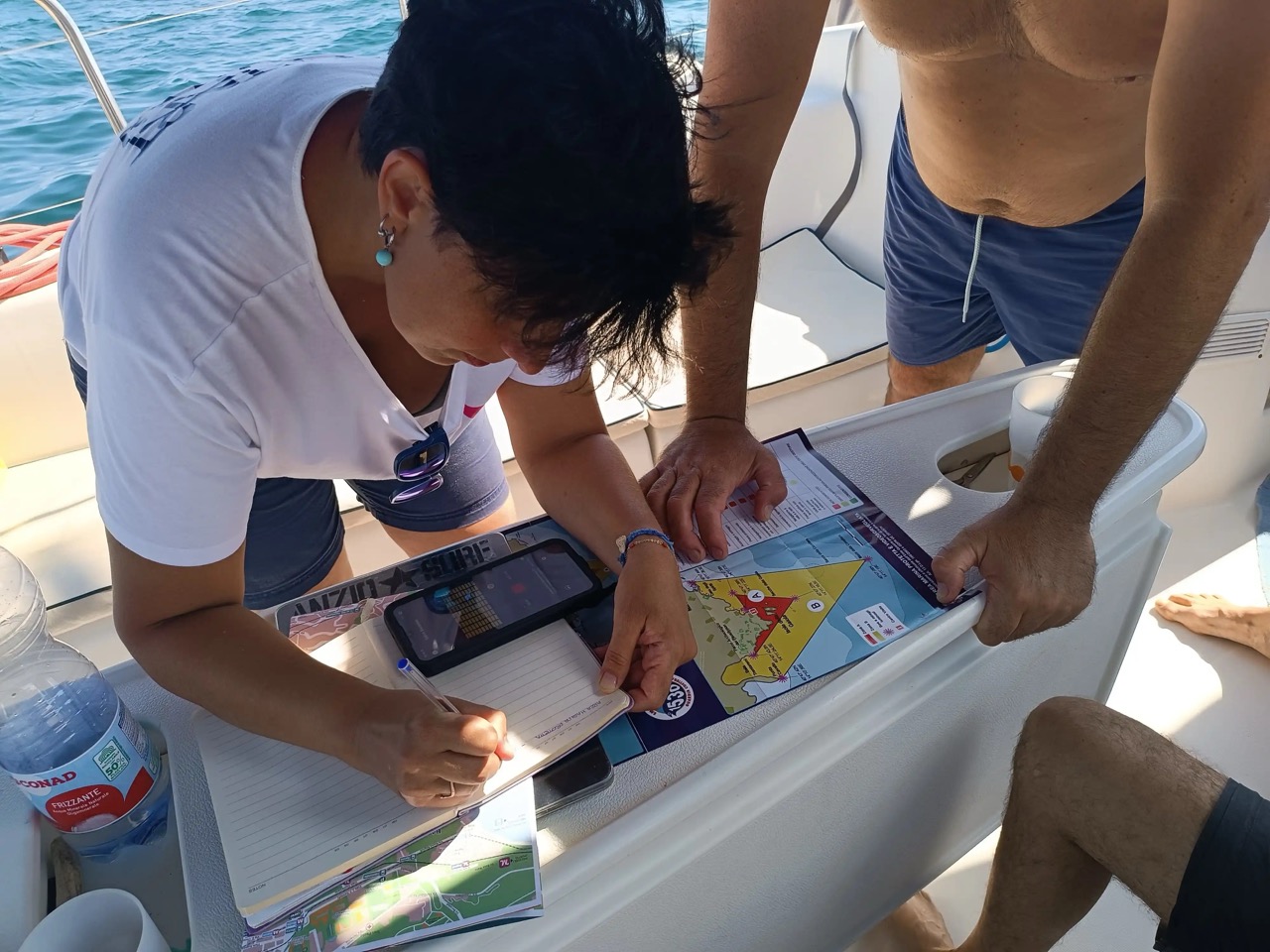
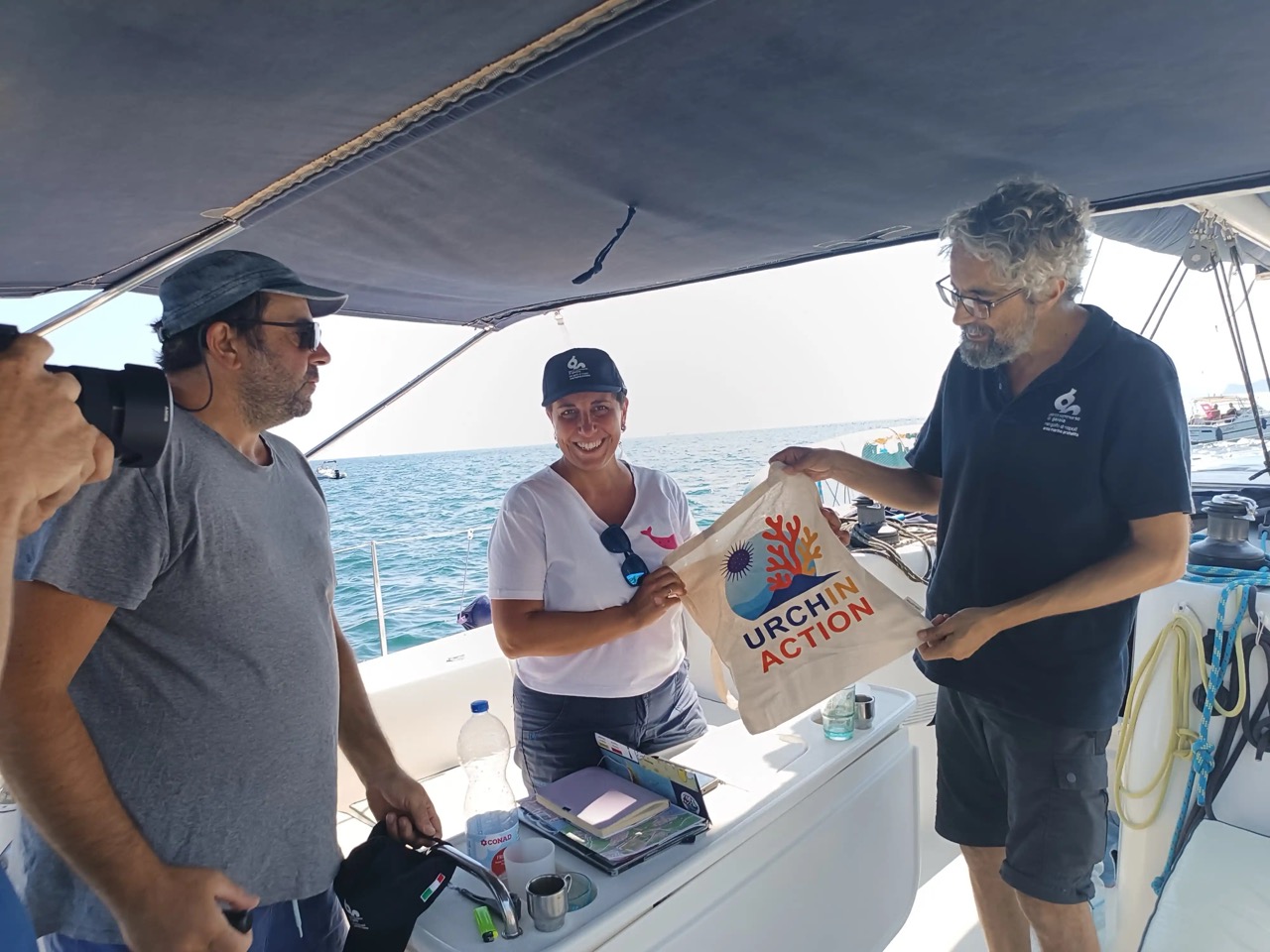
The Gaiola area reveals the stark contradictions of Gulf of Naples conservation: while scientists work to restore degraded ecosystems, the reserve continues to face pressures from untreated wastewater discharge, recreational boating, and mass tourism. The SailingLab's documentation of these efforts contributes to broader narratives on ocean health and the necessity of marine protected areas in European waters.
MedSail: Artistic Practices and Urban Dissent in Bagnoli
On July 5-6, the SailingLab docked at the Lega Navale Italiana in Naples for a three-day intensive documentation of coastal conditions and participation in the MedSail Festival in the Bagnoli waterfront—an area symbolizing the unresolved environmental legacies of European industrialization.
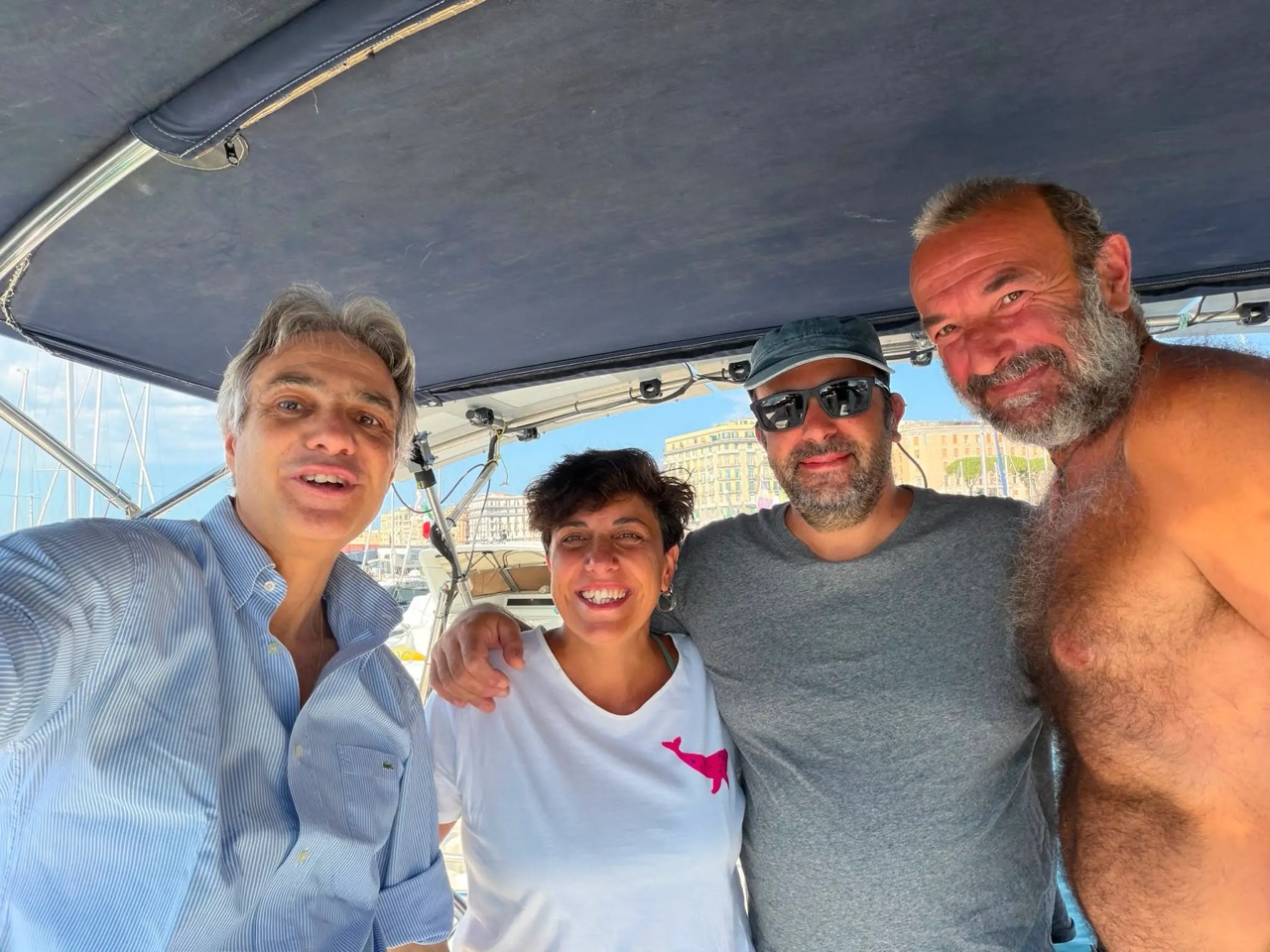
The abandoned Italsider steel plant and La Colmata peninsula—created through decades of industrial waste dumping—stand as monuments to contamination and contested remediation linked to urban redevelopment and the 2024 America's Cup sailing competition. As documented by the SailingLab team, environmental organizations and LIFE SEDREMED project contributors are working to advance sustainable remediation approaches that prioritize ecosystem restoration over territorial rebranding.
The MedSail Festival presented two major artistic interventions:
On July 5, Collettivo Zero presented Teresa Antignani's work, "A una bandiera basta il vento" (A Flag Needs Only the Wind), developed through participatory processes with women from the Bagnoli neighborhood. An empty flagpole installed in Piazza a Mare became the artwork itself—a politically charged gesture of dissent and collective positioning in response to the major urban transformations reshaping the coastline.
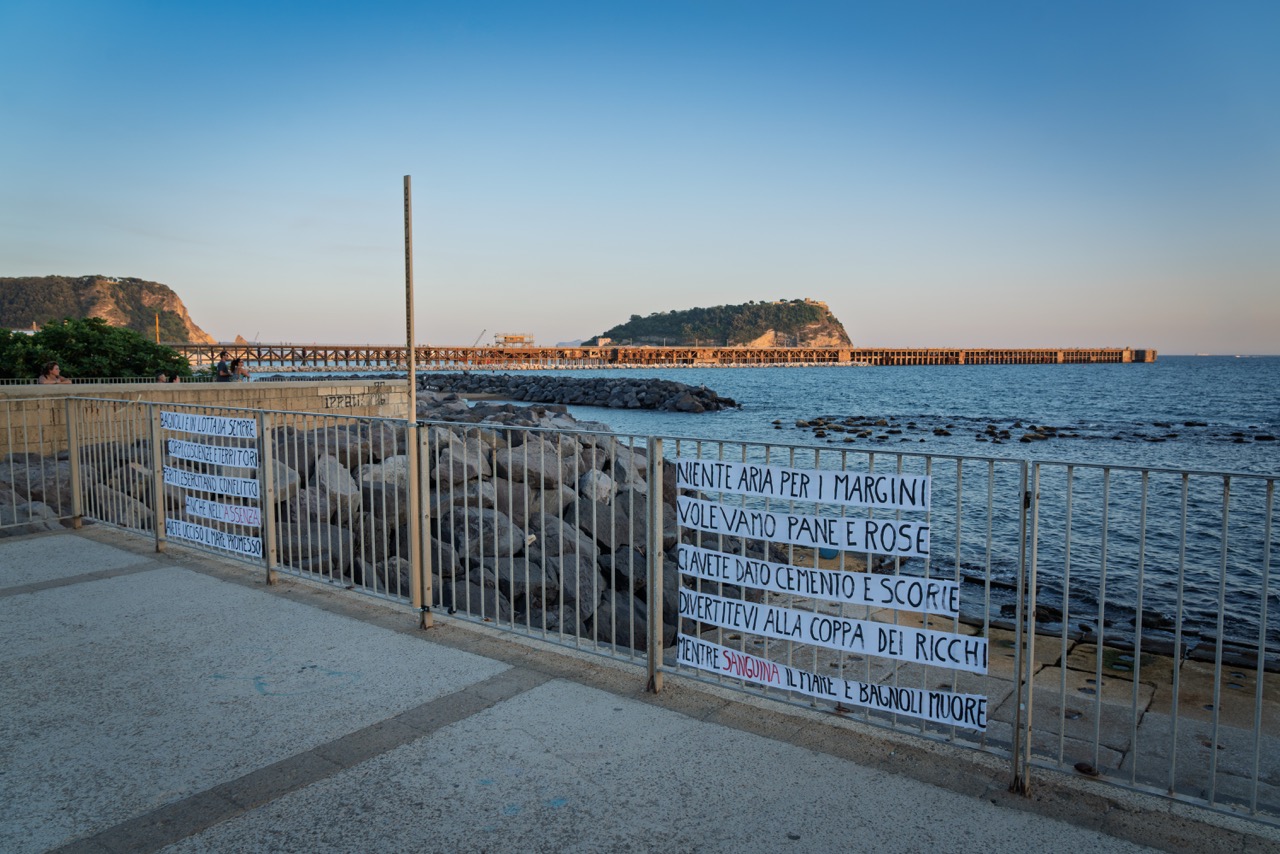
Photo credits: Giuseppe Lupinacci
On July 6, Maria Giovanna Abbate presented collaborative work created with young people from the Nisida Juvenile Penitentiary, exploring themes of inclusion, exclusion, listening, and collective movement. The festival also featured the Komuna Maro exhibition in Cala Badessa, continuing the artistic documentation of marine infrastructure and ecological transformation that has traveled with the SailingLab since Anzio.
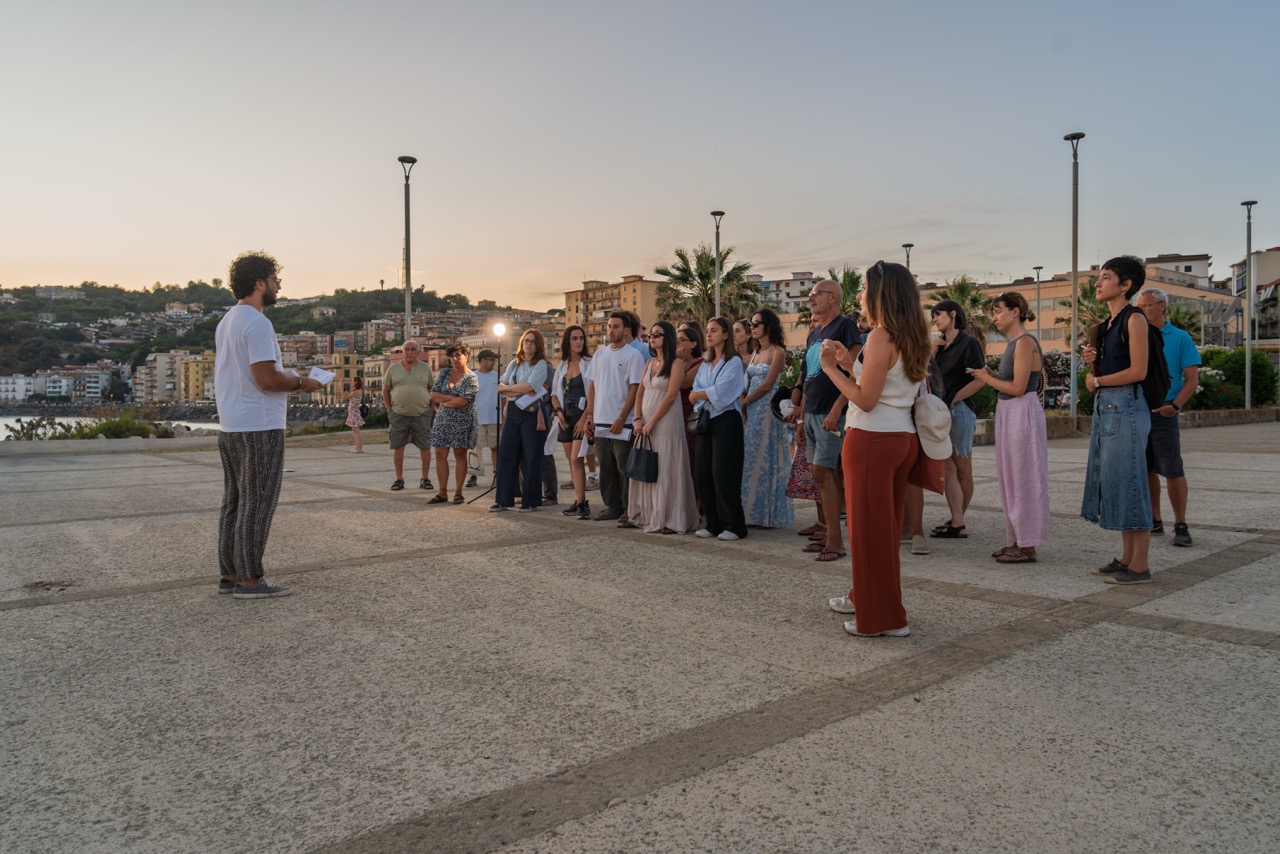
Photo credits: Giuseppe Lupinacci
The festival concluded with a round table bringing together local organizations and territorial partners engaged in MedSail, providing a platform for restitution, dialogue, and celebration of community-led approaches to coastal sustainability.
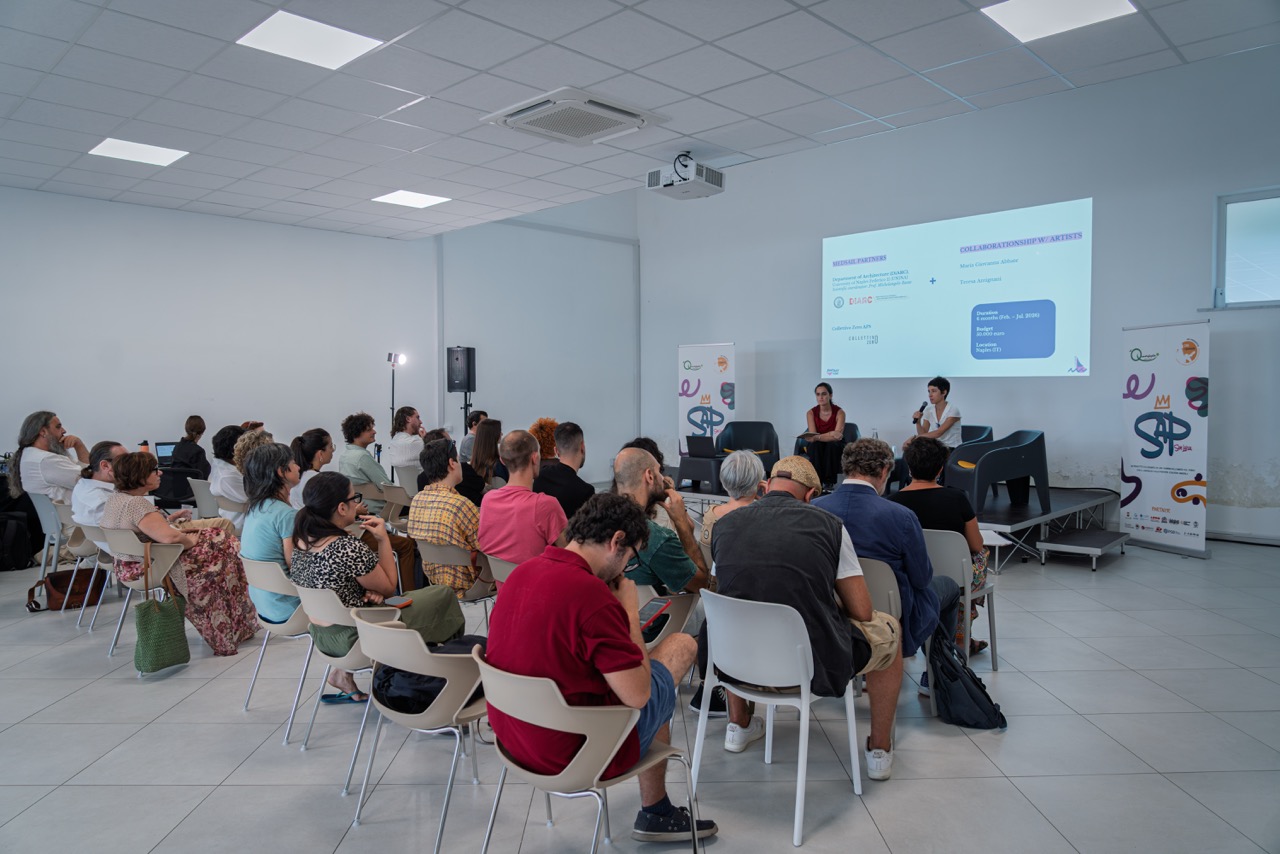
Photo credits: Giuseppe Lupinacci
Navigating Complex Territorial Realities
The Gulf of Naples leg of the expedition exemplifies the SailingLab's core mission: to document the coexistence of artistic innovation, scientific inquiry, and urgent environmental challenges within the same geographical and temporal space. The gulf reveals the sea transformed into a noisy recreational infrastructure, compressed by logistics, petrochemical industries, and urbanization—yet also home to committed scientists, artists, and communities working to imagine more balanced relationships with marine ecosystems.
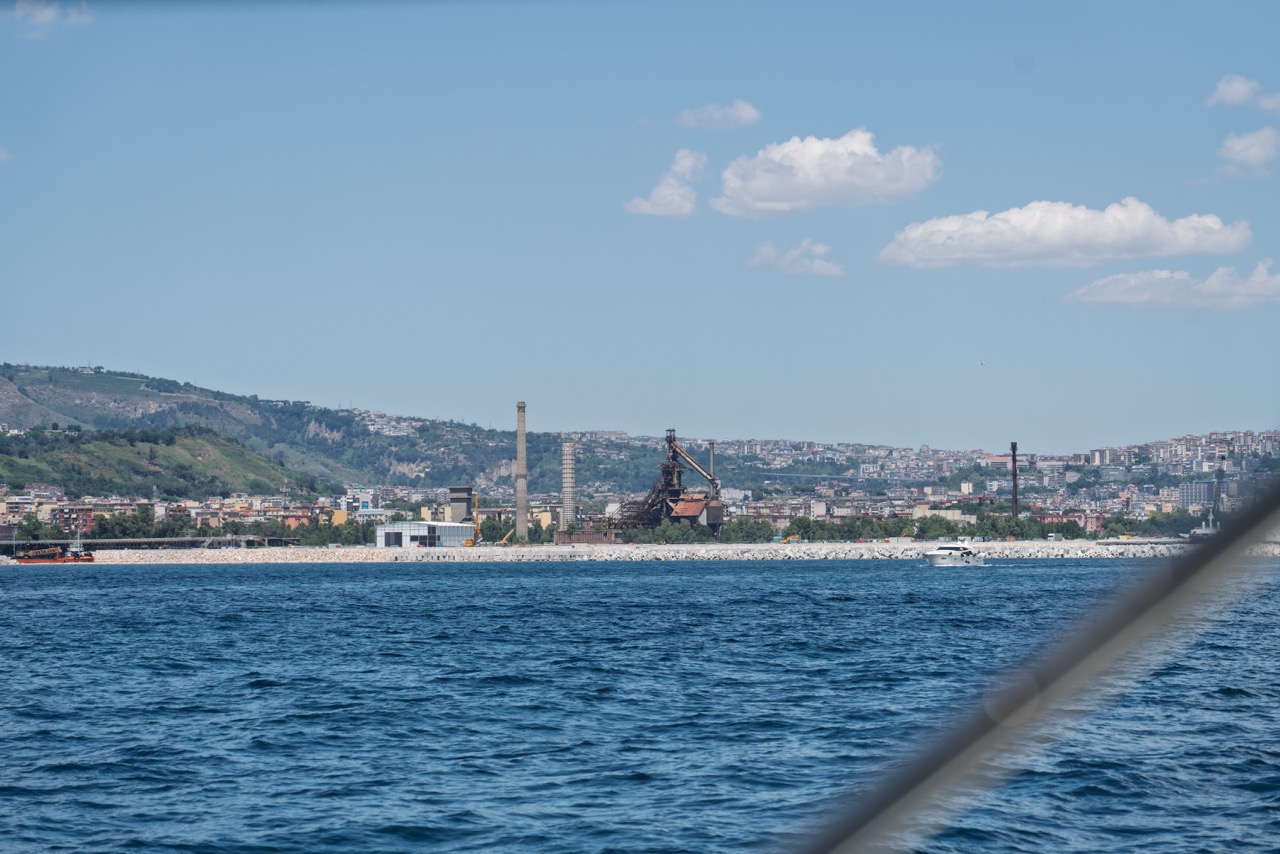
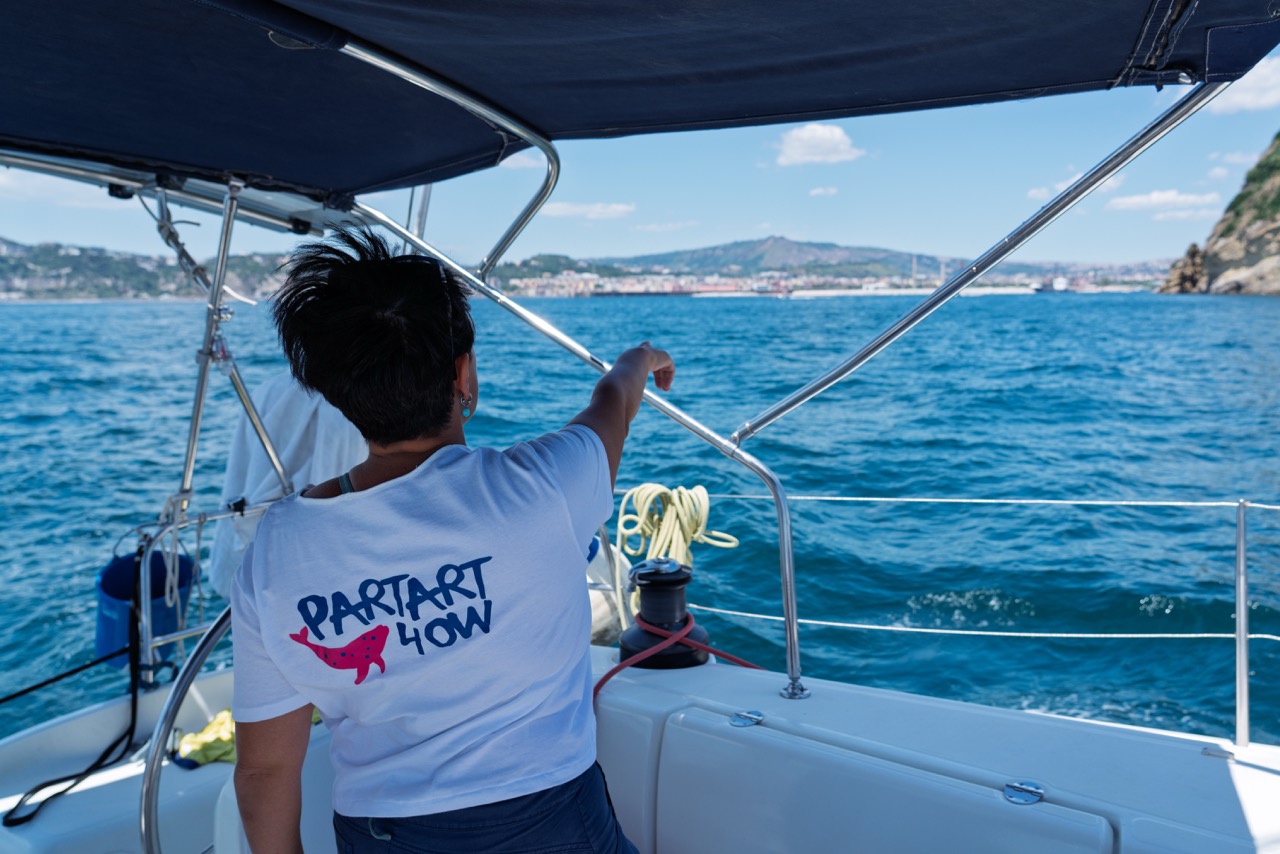
Photo credits: Giuseppe Lupinacci
As the SailingLab continues southward toward Salerno and beyond, these encounters—with researchers, artists, local stakeholders, and coastal communities—deepen the expedition's documentation of ocean-society relationships across the Mediterranean. The footage, interviews, and reportages from Gaiola and Bagnoli will contribute to the visual and narrative archive that PartArt4OW will present at the Demo Days in Badalona at the end of July.
Documentary Links
Interviews and footage from the Gulf of Naples segment are available on the SailingLab's documentation channels:
Gaiola Reserve Documentary | https://youtu.be/4JsxqIIrYKg
Maurizio Simeone interview | https://youtu.be/e2Fh-ZPN-dI
Marine biologists on Posidonia restoration | https://youtube.com/shorts/cg-GnGwAzNI
MedSail presentation by Sveva Ventre | https://www.youtube.com/shorts/DzuXkP49Eyo
About PartArt4OW
PartArt4OW (Participatory Art For Society Engagement with Ocean and Water) is a Horizon Europe research and innovation project (grant agreement 101157247) coordinated by Sapienza University of Rome and managed by CINEA (European Climate, Infrastructure and Environment Executive Agency). The SailingLab, operationalized by Raw-News in collaboration with Altura sailing society, connects artists, scientists, civic society actors, and local communities across the Mediterranean to co-create knowledge and artistic practices addressing ocean sustainability.
Funding Disclaimer
PartArt4OW is funded by the European Union's Horizon Europe research and innovation programme under grant agreement number 101157247. Views and opinions expressed are those of the author(s) only and do not necessarily reflect those of the European Union or CINEA. Neither the European Union nor the granting authority can be held responsible for them.